2026 Outlook: Vocational & Technical Education US Growth Sectors
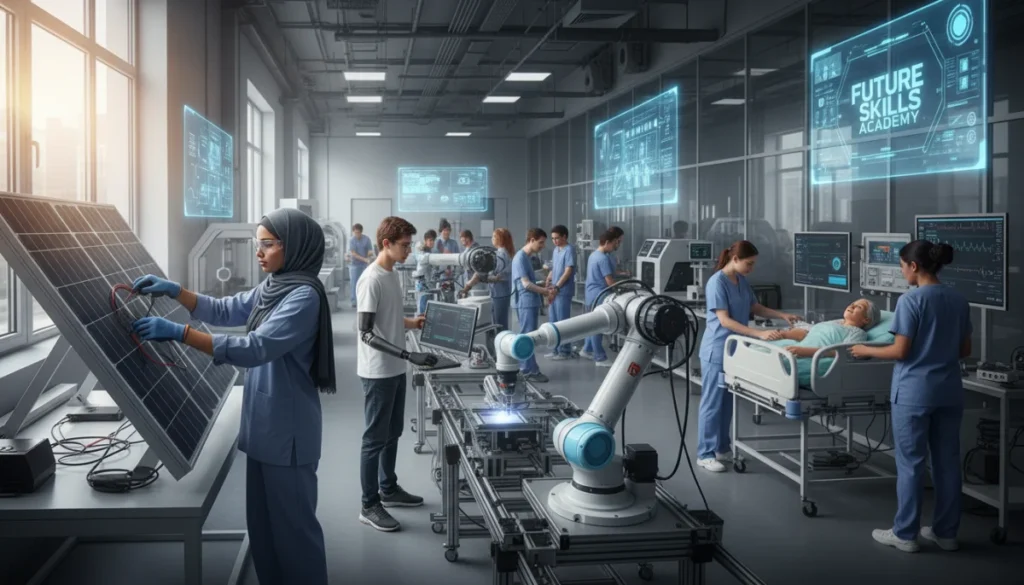
The 2026 outlook for vocational and technical education in the US is characterized by significant growth in healthcare support, renewable energy, and advanced manufacturing, driven by evolving industry needs and technological advancements.
As we approach 2026, the landscape of employment in the United States continues to evolve at an unprecedented pace, making the role of vocational technical education outlook more critical than ever. This dynamic environment necessitates a workforce equipped with specialized skills, and vocational and technical education (VTE) programs are at the forefront of preparing individuals for these in-demand careers. Understanding where the growth lies is key for both students planning their futures and institutions developing their curricula.
The Resurgence and Evolution of Vocational and Technical Education
Vocational and technical education, often misunderstood or undervalued in the past, is experiencing a significant resurgence in the United States. This isn’t your grandparents’ shop class; today’s VTE programs are sophisticated, technology-driven, and directly aligned with industry needs. They offer practical, hands-on training that leads directly to well-paying jobs and sustainable careers, addressing a critical skills gap in the modern economy.
The shift towards VTE is driven by several factors. Firstly, the rising cost of traditional four-year degrees and the burden of student loan debt have made alternative pathways more attractive. Secondly, industries are increasingly vocal about the need for skilled workers, recognizing that many essential roles do not require a bachelor’s degree but rather specialized vocational training. This recognition is fostering stronger partnerships between educational institutions and employers, ensuring that VTE curricula remain relevant and responsive to market demands.
Bridging the Skills Gap
The skills gap refers to the disparity between the skills employers need and the skills available in the workforce. VTE programs are specifically designed to bridge this gap by:
- Providing targeted training for specific job roles.
- Incorporating industry-recognized certifications and credentials.
- Offering apprenticeships and internships for real-world experience.
- Adapting quickly to technological advancements and industry changes.
The federal government and state initiatives are also playing a crucial role in promoting VTE, offering funding and support for program development and student scholarships. This concerted effort from various stakeholders underscores the growing importance of vocational pathways in building a robust and resilient American workforce. The goal is to create a pipeline of skilled professionals ready to meet the challenges and opportunities of the 21st century economy.
In conclusion, the evolution of vocational and technical education represents a vital component of the US economic strategy. By providing practical, relevant, and accessible training, VTE empowers individuals, strengthens industries, and contributes significantly to national prosperity. Its renewed focus on real-world application and industry collaboration ensures its continued growth and relevance in the years to come.
Growth Sector 1: Healthcare Support Services
The healthcare industry in the United States is a behemoth, continually expanding due to an aging population, advancements in medical technology, and increased access to care. This expansion translates directly into a massive demand for skilled healthcare support professionals. These roles, which often require vocational or associate degrees rather than extensive university study, are vital to the functioning of hospitals, clinics, long-term care facilities, and home healthcare services.
By 2026, projections indicate sustained growth across various healthcare support occupations. This sector is not only resilient but also offers diverse career paths for individuals passionate about helping others and contributing to public health. The need for compassionate and competent professionals in these roles will only intensify, making it a prime area for vocational and technical education investment.
Key Roles and Training Focus
Vocational training in healthcare support typically covers a broad range of skills, from patient care and medical administration to specialized technical procedures. The curricula are designed to provide both theoretical knowledge and practical experience, often incorporating clinical rotations or internships. This hands-on approach ensures graduates are job-ready upon completion of their programs.
- Medical Assistants: Trained to perform administrative and clinical tasks in healthcare settings, assisting physicians and other healthcare professionals.
- Licensed Practical/Vocational Nurses (LPN/LVN): Provide basic nursing care under the supervision of registered nurses and doctors.
- Dental Assistants and Hygienists: Support dentists, perform preventative dental care, and educate patients on oral hygiene.
- Physical Therapist Assistants and Aides: Help patients recover from injuries and illnesses under the guidance of physical therapists.
- Medical Records and Health Information Technicians: Organize and manage health information data, ensuring its quality, accuracy, accessibility, and security.
The demand for these professionals is not limited to urban centers; it extends to rural areas where access to healthcare services can be more challenging. Vocational programs often partner with local healthcare providers to ensure that training is tailored to regional needs, further enhancing employment opportunities for graduates. The integration of technology, such as electronic health records and telehealth systems, is also a growing component of many VTE healthcare curricula.
The healthcare support sector offers stability, competitive wages, and the profound satisfaction of making a tangible difference in people’s lives. For vocational and technical education institutions, strengthening programs in this area will be crucial to meeting the escalating demands of the US healthcare system in 2026 and beyond.
Growth Sector 2: Renewable Energy and Green Technologies
The global push towards sustainability and energy independence has placed the renewable energy sector on a rapid growth trajectory, and the United States is no exception. As environmental concerns become more pressing and technological advancements make green energy solutions more efficient and affordable, the demand for skilled professionals in this field is skyrocketing. This sector encompasses everything from solar and wind power generation to energy efficiency and sustainable building practices.
By 2026, the renewable energy sector is expected to be a powerhouse of job creation, offering numerous opportunities for individuals with specialized technical training. Vocational and technical education programs are uniquely positioned to train the workforce needed to design, install, maintain, and innovate within this critical industry, contributing to both economic growth and environmental protection.

The transition to a green economy requires a diverse set of skills, ranging from electrical engineering and construction to data analysis and project management. VTE programs are adapting swiftly to incorporate these emerging needs, ensuring that graduates are equipped with the latest knowledge and practical abilities to thrive in this dynamic field.
Emerging Roles and Specialized Training
The renewable energy sector is not just about installing solar panels; it involves a complex ecosystem of technologies and processes that require a highly skilled and adaptable workforce. Vocational training in this area is increasingly specialized, focusing on particular energy sources or green technologies.
- Solar Photovoltaic Installers: Responsible for assembling, installing, and maintaining solar panel systems on rooftops or other structures.
- Wind Turbine Technicians: Inspect, troubleshoot, repair, and maintain wind turbines, often working at significant heights.
- Energy Auditors and Efficiency Specialists: Assess energy consumption in buildings and recommend solutions for improved efficiency.
- Geothermal Technicians: Install and maintain geothermal heating and cooling systems.
- Biofuel Production Technicians: Work in facilities that convert organic matter into renewable fuels.
Many VTE programs in renewable energy emphasize safety protocols, adherence to environmental regulations, and proficiency in using specialized tools and software. Hands-on experience, often through apprenticeships with renewable energy companies, is a cornerstone of these programs, providing students with invaluable real-world exposure. The continuous innovation in green technologies means that lifelong learning and professional development will be crucial for professionals in this field.
The renewable energy and green technologies sector not only offers promising career prospects but also allows individuals to contribute directly to a more sustainable future. Vocational and technical education institutions are pivotal in nurturing this talent, ensuring the US remains at the forefront of the green revolution.
Growth Sector 3: Advanced Manufacturing and Automation
Advanced manufacturing is revolutionizing the production of goods in the United States, moving far beyond traditional factory floors to integrate cutting-edge technologies like robotics, artificial intelligence, 3D printing, and sophisticated data analytics. This transformation is creating a demand for a new breed of skilled workers who can operate, program, and maintain complex automated systems. The sector is crucial for national economic competitiveness, innovation, and supply chain resilience.
By 2026, the advanced manufacturing and automation sector will continue its robust growth, driven by the need for increased efficiency, precision, and customization in production. Vocational and technical education programs are essential in preparing individuals for these high-tech roles, providing the specialized knowledge and practical skills required to navigate and excel in intelligent factories and automated environments.
The emphasis in advanced manufacturing is on precision, quality control, and the seamless integration of various technologies. Workers need to be adept at problem-solving, critical thinking, and continuous learning to keep pace with rapid technological advancements. VTE institutions are responding by developing curricula that blend traditional manufacturing skills with digital literacy and automation expertise.
Skills for the Smart Factory
The smart factories of today and tomorrow require a workforce with a hybrid skill set, combining mechanical aptitude with digital proficiency. Vocational training in advanced manufacturing often includes modules on robotics, mechatronics, industrial controls, and data interpretation, preparing students for diverse roles within automated production lines.
- Robotics Technicians: Install, program, troubleshoot, and repair robotic systems used in manufacturing.
- Mechatronics Technicians: Possess a blend of mechanical, electrical, computer, and control engineering skills to work with complex automated systems.
- CNC Machinists and Programmers: Operate computer numerically controlled machines to produce precision parts and components.
- Additive Manufacturing (3D Printing) Specialists: Design, operate, and maintain 3D printers for various industrial applications.
- Industrial Maintenance Technicians: Ensure the continuous operation of machinery and automated equipment through preventative maintenance and repair.
Apprenticeship programs are particularly valuable in advanced manufacturing, allowing students to gain on-the-job experience while learning from seasoned professionals. These programs often lead directly to employment with the sponsoring companies, providing a clear pathway to a rewarding career. The collaboration between VTE institutions and industry partners is paramount in ensuring that training programs are aligned with the evolving needs of advanced manufacturing.
The advanced manufacturing and automation sector offers challenging and intellectually stimulating careers for those interested in technology and innovation. Vocational and technical education will play a critical role in supplying the skilled workforce necessary for the US to maintain its leadership in global manufacturing and technological advancement.
The Role of Technology and Adaptability in VTE
In every growth sector identified, technology plays a pivotal role. From electronic health records in healthcare to smart grids in renewable energy and AI-driven robotics in advanced manufacturing, technological literacy is no longer a luxury but a fundamental requirement. Vocational and technical education programs are therefore under constant pressure to integrate the latest technologies into their curricula and teaching methodologies.
Adaptability is another critical skill. Industries are changing at an unprecedented pace, and the skills that are in demand today might evolve significantly in just a few years. VTE programs must instill a mindset of lifelong learning in their students, preparing them not just for their first job, but for a career path that will require continuous upskilling and reskilling. This involves teaching foundational principles that remain relevant, alongside specific technical competencies.
Curriculum Modernization and Digital Integration
To meet these challenges, VTE institutions are actively modernizing their curricula and investing in state-of-the-art equipment. This includes:
- Implementing virtual reality (VR) and augmented reality (AR) for immersive training simulations.
- Integrating data analytics and cybersecurity modules into various technical programs.
- Utilizing cloud-based platforms for collaborative learning and remote instruction.
- Adopting industry-standard software and hardware to mimic real-world work environments.
Furthermore, the focus is shifting towards competency-based education, where students progress based on their demonstrated mastery of skills rather than seat time. This approach allows for more personalized learning paths and ensures that graduates possess the specific competencies required by employers. The flexibility of VTE programs, compared to more rigid academic structures, allows for quicker adaptation to these educational innovations.
The ability of vocational and technical education to embrace technological advancements and foster adaptability in its students will be a determining factor in its success. By staying agile and forward-thinking, VTE can continue to be a leading force in workforce development, preparing individuals for the jobs of today and the careers of tomorrow.
Funding and Policy Support for VTE Growth
The sustained growth of vocational and technical education in the US is not solely dependent on industry demand and educational innovation; it also requires robust funding and supportive policy frameworks. Recognizing the vital role VTE plays in economic development and workforce preparedness, both federal and state governments, along with private organizations, are increasingly investing in these programs. This support is crucial for expanding access, updating facilities, and attracting qualified instructors.
Policy initiatives often aim to streamline pathways from VTE to employment, encourage employer engagement, and ensure that programs meet high standards of quality and relevance. These efforts are designed to strengthen the entire ecosystem of vocational training, making it a more attractive and viable option for a diverse range of students.
Government Initiatives and Private Partnerships
Several key areas of funding and policy support are driving the expansion and improvement of VTE:
- Perkins V Act: The Strengthening Career and Technical Education for the 21st Century Act (Perkins V) provides federal funding to states to improve secondary and postsecondary career and technical education programs.
- State-Level Grants: Many states offer grants and scholarships specifically for students pursuing vocational training, aiming to reduce financial barriers and increase enrollment in high-demand fields.
- Industry Partnerships: Government incentives and tax breaks encourage private companies to partner with VTE institutions, providing equipment, curriculum input, internships, and apprenticeship opportunities.
- Workforce Development Boards: Local and regional workforce boards play a critical role in identifying skills gaps and allocating resources to VTE programs that address these needs.
These initiatives help ensure that VTE programs are not only accessible but also of high quality, producing graduates who are well-prepared for the workforce. Policies that promote articulation agreements between VTE schools and community colleges or four-year universities also provide students with options for further education, dispelling the myth that vocational training is a terminal path. Instead, it can be a flexible foundation for continuous learning and career advancement.
The continued commitment to funding and supportive policies will be instrumental in allowing vocational and technical education to meet the growing demands of the US economy. By fostering an environment where VTE can thrive, the nation can ensure a skilled and adaptable workforce for 2026 and beyond.
Challenges and Opportunities for VTE in 2026
While the outlook for vocational and technical education in the US is largely positive, several challenges and opportunities will shape its trajectory towards 2026. Addressing these challenges effectively will be crucial for VTE programs to maximize their impact and continue to meet the evolving needs of the American workforce. These include adapting to rapid technological shifts, overcoming persistent perceptions, and ensuring equitable access for all students.
The opportunities, however, are immense. As the demand for skilled trades and technical professionals continues to outpace supply in many sectors, VTE is perfectly positioned to provide solutions. By strategically navigating obstacles and capitalizing on growth areas, vocational education can solidify its role as a cornerstone of economic prosperity and individual empowerment.
Navigating the Future Landscape
One significant challenge is the need for continuous investment in infrastructure and technology. VTE programs require modern equipment and facilities to train students on the latest industry standards, which can be costly. Another hurdle is attracting and retaining qualified instructors who possess both academic credentials and practical industry experience.
- Addressing Perceptions: Countering outdated perceptions of vocational training as a ‘lesser’ option compared to a four-year degree remains a challenge, requiring ongoing advocacy and showcasing successful VTE alumni.
- Equity and Access: Ensuring that VTE programs are accessible to all demographics, including underserved communities, and providing support services to help students succeed.
- Rapid Technological Change: The pace of technological advancement demands constant curriculum updates and professional development for instructors to keep content relevant.
- Workforce Shortages: While a demand driver, the existing shortages in skilled trades can make it difficult to find experienced mentors for apprenticeships and hands-on training.
Despite these challenges, the opportunities for VTE are substantial. The increasing recognition of skilled trades’ economic value, combined with strong industry partnerships, creates a fertile ground for expansion. Furthermore, VTE can play a crucial role in addressing social mobility by providing direct pathways to stable, well-paying careers without the burden of extensive student debt. By focusing on areas like personalized learning, micro-credentials, and stackable certifications, VTE can offer flexible and responsive education models.
The journey to 2026 for vocational and technical education will be marked by both adaptation and innovation. By proactively addressing challenges and strategically leveraging opportunities, VTE can continue to be a dynamic and indispensable force in shaping the future of the US workforce.
| Key Growth Sector | Brief Description |
|---|---|
| Healthcare Support | Driven by an aging population and medical advancements, creating high demand for roles like medical assistants and LPNs. |
| Renewable Energy | Fueled by sustainability goals, requiring technicians for solar, wind, and energy efficiency systems. |
| Advanced Manufacturing | Integrating robotics and automation, demanding skilled technicians for smart factories and high-tech production. |
| Technology Integration | Critical across all sectors, requiring VTE to embed digital literacy, AI, and data analytics in curricula. |
Frequently Asked Questions About Vocational Education
The primary benefit of VTE is its focus on practical, job-specific skills that directly lead to employment in high-demand fields. It offers a faster, often more affordable path to a skilled career compared to traditional four-year degrees, addressing immediate workforce needs and reducing student debt. VTE also fosters adaptability and lifelong learning.
VTE programs are rapidly integrating new technologies by updating curricula, investing in modern equipment, and adopting advanced teaching methods like VR/AR simulations. They emphasize digital literacy, data analytics, and the use of industry-standard software and hardware to ensure graduates are proficient with the latest tools and processes in their respective fields.
For 2026, the highest growth in vocational careers is projected in healthcare support services, renewable energy and green technologies, and advanced manufacturing and automation. These sectors are expanding due to demographic shifts, environmental concerns, and technological innovation, creating numerous opportunities for skilled technical professionals.
Absolutely. Many VTE programs offer stackable credentials and articulation agreements with community colleges and four-year universities. This allows students to apply their vocational credits towards an associate or bachelor’s degree, providing flexible pathways for continuous learning and career advancement. VTE can serve as a solid foundation for future academic pursuits.
Industry partnerships are crucial for modern VTE. They ensure curricula are relevant to current job market needs, provide valuable resources like equipment and guest lecturers, and create opportunities for internships and apprenticeships. These collaborations bridge the gap between education and employment, offering students real-world experience and direct pathways to jobs upon graduation.
Conclusion
The 2026 outlook for vocational and technical education in the US is undeniably bright, positioning it as a cornerstone of future workforce development. With critical growth projected in healthcare support, renewable energy, and advanced manufacturing, VTE programs are poised to equip individuals with the specialized skills needed to thrive in these dynamic sectors. By embracing technological advancements, fostering adaptability, and leveraging robust policy and funding support, vocational education will continue to empower individuals, strengthen industries, and contribute significantly to the nation’s economic resilience and innovation. As the demands of the modern economy evolve, VTE remains an essential and increasingly valued pathway to rewarding and sustainable careers.
