2026 WIC Program: Nutritional Aid for US Families
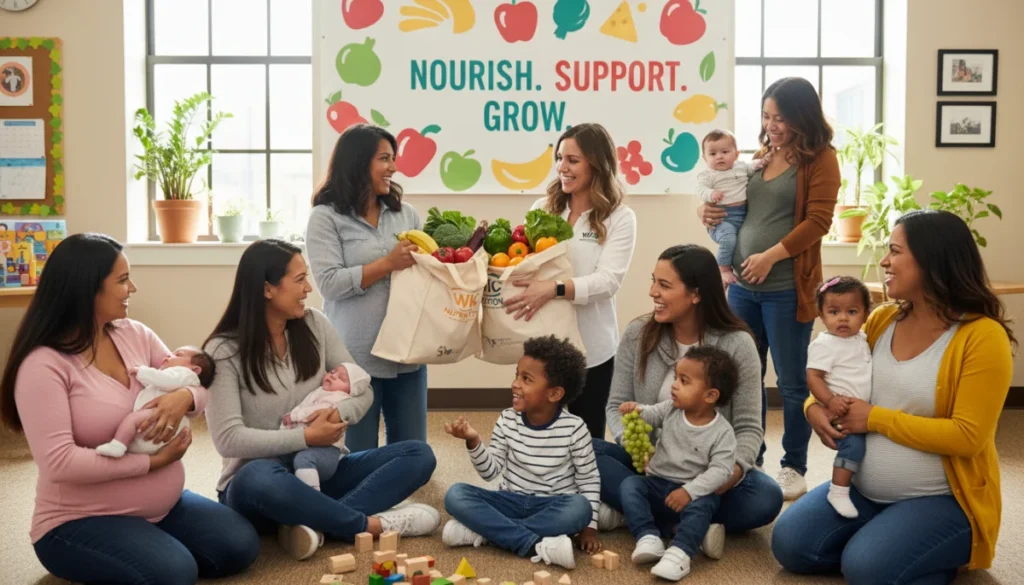
The 2026 WIC Program is a vital federal initiative providing supplemental foods, nutrition education, and healthcare referrals to low-income pregnant women, breastfeeding mothers, and children under five years old, ensuring their healthy growth and development.
Navigating the complexities of nutritional support for families can be challenging, especially for pregnant women and young children. The 2026 WIC Program stands as a cornerstone of federal assistance, designed to provide crucial resources that foster healthy beginnings and sustained well-being for those who need it most. This article delves into the practical solutions offered by WIC, outlining its eligibility, benefits, and how families can access this invaluable support across the United States.
Understanding the WIC Program’s Core Mission in 2026
The Special Supplemental Nutrition Program for Women, Infants, and Children (WIC) has a long-standing history of safeguarding the health of low-income women, infants, and children up to age five who are at nutritional risk. In 2026, its core mission remains steadfast: to provide supplemental foods, nutrition education, and referrals to healthcare and social services. This holistic approach ensures that vulnerable populations receive not just food, but also the knowledge and connections necessary for optimal health outcomes.
The program is administered by the U.S. Department of Agriculture (USDA) and operates through state agencies, local clinics, and various community partners. It plays a critical role in reducing infant mortality, improving birth outcomes, and promoting healthy growth and development in early childhood. The benefits extend beyond immediate nutritional needs, contributing to long-term health and educational achievements.
Who is WIC designed to help?
WIC primarily serves three distinct groups, each with specific nutritional vulnerabilities:
- Pregnant women: To support healthy fetal development and maternal well-being.
- Breastfeeding women: Providing nutritional support for mothers and encouraging breastfeeding practices.
- Postpartum women: For up to six months after birth or one year if breastfeeding.
- Infants and children up to their fifth birthday: To ensure proper growth and development during critical early years.
Each category faces unique dietary requirements, and WIC’s tailored approach helps address these needs effectively. The program’s design reflects a deep understanding of the physiological changes and developmental milestones occurring during these crucial life stages.
The foundational principle of WIC is prevention. By intervening early with nutritional support and education, the program aims to prevent health problems associated with inadequate nutrition. This proactive stance not only benefits individual participants but also yields significant public health savings in the long run. The 2026 WIC Program continues to adapt to evolving nutritional science and public health challenges, ensuring its relevance and effectiveness.
Eligibility Requirements for the 2026 WIC Program
Accessing the 2026 WIC Program hinges on meeting specific eligibility criteria, which typically encompass income, residency, and nutritional risk. Understanding these requirements is the first step for families seeking to benefit from this vital assistance. While the federal guidelines set the framework, state agencies may have slight variations in how they implement certain aspects, making it important to check local WIC office details.
Income eligibility is usually determined by federal poverty guidelines. Applicants must have an income at or below 185% of the U.S. poverty level. However, participation in other assistance programs, such as SNAP (Supplemental Nutrition Assistance Program) or Medicaid, often confers automatic income eligibility for WIC. This streamlined process helps reduce barriers for families already identified as needing support.
Income and residency criteria
To qualify financially, families must meet the income thresholds set annually by the USDA. For example, a family of three might need to have a gross income below a certain amount to be eligible. Residency requires applicants to live in the state where they apply, although U.S. citizenship is not a requirement for participation, making it accessible to a broader population.
- Income guidelines: Typically 185% of the federal poverty level.
- Automatic eligibility: Participation in Medicaid, SNAP, TANF, or certain other programs.
- Residency: Must reside in the state of application.
Beyond income and residency, applicants must be individually determined to be at ‘nutritional risk’ by a health professional. This assessment is a cornerstone of the WIC program, ensuring that benefits are directed to those who most critically need them for their health and development. Nutritional risk can include medical conditions, dietary deficiencies, or a combination of both.
Nutritional risk assessment
A qualified health professional, typically a nutritionist, dietitian, or nurse at a WIC clinic, conducts the nutritional risk assessment. This is not meant to be a barrier but rather a crucial step to identify specific needs. Risks can include anemia, underweight, overweight, history of poor pregnancy outcomes, or inadequate dietary intake. The assessment helps tailor the WIC food package and nutrition education to the individual’s situation.
The eligibility process is designed to be supportive, not punitive. WIC staff are trained to guide applicants through the required documentation and assessments, ensuring a respectful and efficient experience. The goal is to enroll eligible participants swiftly so they can begin receiving benefits without unnecessary delays, highlighting the program’s commitment to timely intervention.
Benefits and Services Provided by the 2026 WIC Program
The 2026 WIC Program offers a comprehensive suite of benefits and services that go far beyond simply providing food. It encompasses a holistic approach to maternal and child health, recognizing that proper nutrition is intertwined with education, healthcare access, and community support. These integrated services are what make WIC such an impactful program for families in need.
One of the most tangible benefits is the provision of supplemental foods. WIC food packages are specifically designed to provide nutrients essential for growth and development, which are often lacking in the diets of the target population. These packages are tailored to the participant’s category (pregnant, breastfeeding, postpartum, infant, or child) and include items like milk, eggs, cheese, cereal, fruits, vegetables, and whole grains.
Tailored food packages
The WIC food packages are not one-size-fits-all; they are carefully constructed to meet the specific dietary needs of each participant group. For instance, infants receive formula or baby food, while breastfeeding mothers get additional food items to support lactation. This customization ensures that the nutritional support is both effective and appropriate for the individual’s life stage.
- Infant formula or breastfeeding support: Critical for infant nutrition.
- Fruits and vegetables: Encouraging healthy eating habits.
- Whole grains and fortified cereals: Providing essential vitamins and fiber.
- Dairy products: Source of calcium and vitamin D.
Beyond food, nutrition education is a cornerstone of the WIC program. Participants receive guidance on healthy eating, meal planning, breastfeeding, and infant feeding practices. This education empowers families to make informed dietary choices that promote long-term health, extending the impact of WIC far beyond the duration of participation.
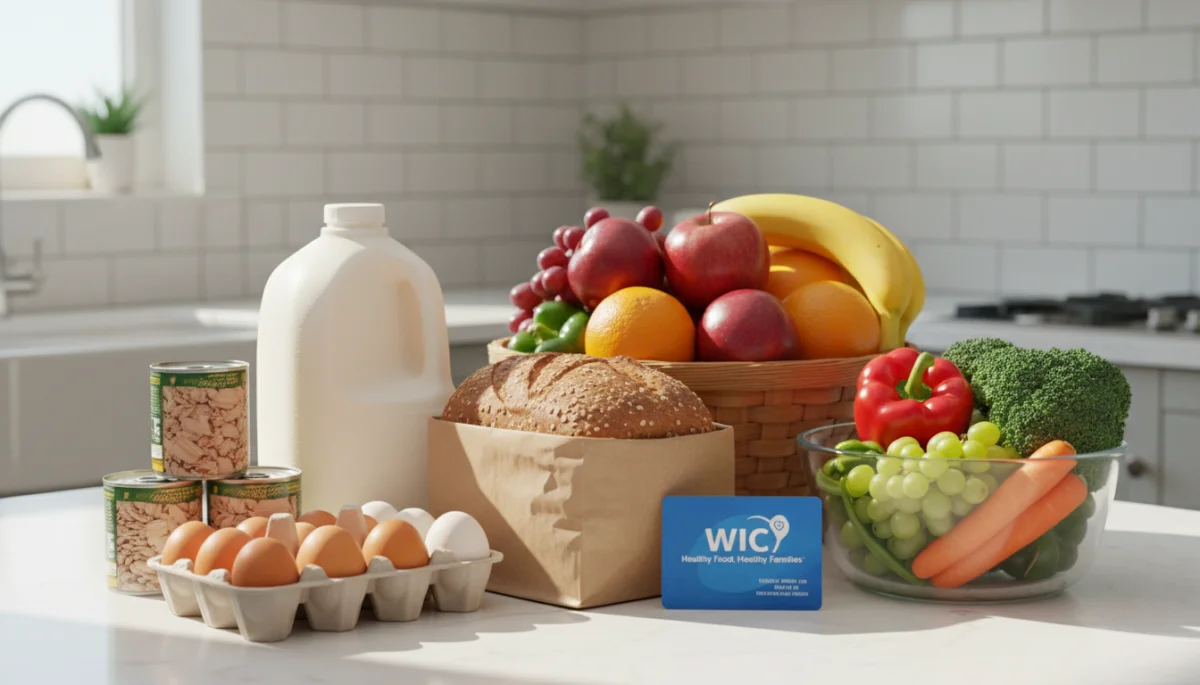
Nutrition education and healthcare referrals
WIC clinics are staffed by nutrition professionals who provide personalized counseling and group classes. Topics range from understanding food labels to preparing healthy meals on a budget. This practical knowledge is invaluable for families striving to improve their dietary habits. Furthermore, WIC serves as a vital bridge to other essential services.
Participants are often referred to pediatricians, dentists, immunizations, substance abuse counseling, and family planning services. This referral system ensures that WIC families have access to a comprehensive network of care, addressing health needs that extend beyond nutrition. The integration of these services underscores WIC’s role as a public health program dedicated to the holistic well-being of its participants.
The benefits of the 2026 WIC Program are multifaceted, providing not just immediate food security but also fostering a foundation of health and knowledge that can positively impact families for generations. The program’s commitment to personalized support and comprehensive care makes it an indispensable resource for vulnerable populations.
Applying for WIC: A Step-by-Step Guide for 2026
Applying for the 2026 WIC Program is designed to be a straightforward process, though it requires specific documentation and a visit to a local WIC clinic. Understanding each step can help streamline the application and ensure families receive benefits as quickly as possible. The program’s focus is on accessibility and support for eligible individuals.
The first step involves locating your nearest WIC clinic. These clinics are typically found in health departments, hospitals, community centers, or mobile units. A quick search online or a call to your state’s WIC agency can provide the necessary contact information. Many states also offer online pre-screening tools to help determine potential eligibility before an in-person visit.
Locating your local WIC clinic
Once you’ve identified a local clinic, it’s advisable to call ahead and schedule an appointment. This allows the clinic to prepare for your visit and inform you of any specific documents you might need to bring. While walk-ins are sometimes accommodated, an appointment ensures you receive dedicated attention.
- Online search: Use the USDA WIC website or state health department sites.
- Phone inquiry: Contact your state or local WIC agency.
- Community referrals: Ask healthcare providers or social workers.
During the appointment, you will need to provide documentation to verify your identity, residency, and income. This typically includes a photo ID, proof of address (like a utility bill), and proof of income (pay stubs, tax returns, or a letter from another assistance program). For children, you’ll need their birth certificate or other proof of age.
Required documentation and clinic visit
The clinic visit also includes the nutritional risk assessment, which involves a brief health screening and discussion with a WIC health professional. This assessment is crucial for tailoring your WIC food package and ensuring you receive relevant nutrition education. It’s an opportunity to ask questions and receive personalized advice.
After your eligibility is confirmed, you will receive your WIC benefits, typically in the form of an EBT (Electronic Benefits Transfer) card, similar to a debit card. This card can be used to purchase WIC-approved foods at authorized grocery stores. You’ll also receive information on how to use your benefits and details about upcoming nutrition education sessions.
The application process for the 2026 WIC Program is designed to be user-friendly, with supportive staff ready to assist applicants at every stage. By preparing the necessary documents and understanding the steps involved, families can efficiently access the valuable nutritional support WIC provides.
The Impact of WIC on Maternal and Child Health in 2026
The 2026 WIC Program continues to be a powerful force in improving maternal and child health outcomes across the United States. Its comprehensive approach, combining food assistance with education and healthcare referrals, addresses critical determinants of health during the most vulnerable stages of life. The long-term impacts of WIC are well-documented, showcasing its effectiveness in fostering healthier generations.
Research consistently demonstrates that WIC participation leads to healthier pregnancies, including fewer preterm births and lower infant mortality rates. Pregnant women on WIC are more likely to receive prenatal care and have better dietary intake of essential nutrients. These improvements lay the groundwork for a healthier start for both mother and baby, reducing complications and long-term health issues.
Improved birth outcomes and infant health
For infants, WIC’s provision of formula or breastfeeding support, along with age-appropriate foods, ensures proper nutrition during a period of rapid growth and development. This early nutritional foundation is crucial for cognitive development, immune system strength, and overall physical health. Studies show WIC infants have improved iron status and are more likely to be immunized.
- Reduced preterm births: Contributing to healthier starts.
- Lower infant mortality: A direct impact of comprehensive support.
- Enhanced prenatal care: Encouraging early and consistent medical attention.
Beyond infancy, WIC continues to support children up to their fifth birthday, a critical period for developing healthy eating habits and preventing childhood obesity. The program’s emphasis on fruits, vegetables, and whole grains encourages a balanced diet, while nutrition education empowers parents to make healthy food choices for their families.
Long-term benefits for children’s development
Children participating in WIC show improved cognitive development and school readiness. By addressing nutritional deficiencies early, WIC helps ensure children have the energy and focus needed to learn and thrive. The program’s focus on linking families to primary healthcare services also means children are more likely to receive regular check-ups and necessary medical interventions.
The positive ripple effects of WIC extend into adulthood, with studies suggesting that WIC participants may experience better health and economic outcomes later in life. This demonstrates that investments in early childhood nutrition through programs like WIC yield substantial returns for individuals and society as a whole. The 2026 WIC Program remains a cornerstone of public health, continually adapting to meet the evolving needs of American families.
Updates and Changes to the WIC Program for 2026
As with any dynamic federal program, the 2026 WIC Program may incorporate updates and changes to enhance its effectiveness and address emerging public health needs. These modifications often stem from legislative action, scientific advancements in nutrition, or efforts to improve program accessibility and efficiency. Staying informed about these potential updates is crucial for both participants and advocates.
One area of continuous focus for WIC is the modernization of its food packages. These packages are periodically reviewed and updated based on the latest dietary guidelines and nutritional science. For 2026, there might be adjustments to the types and quantities of foods offered, with a continued emphasis on promoting fruits, vegetables, and whole grains, and reducing highly processed items.
Potential food package modernizations
Discussions often revolve around increasing the cash value benefit for fruits and vegetables, allowing families greater flexibility and choice in their healthy food purchases. Such changes aim to align WIC benefits even more closely with current dietary recommendations and to support local food economies when possible.
- Increased cash value for fruits and vegetables: More flexibility for participants.
- Inclusion of diverse food options: Reflecting cultural dietary preferences.
- Emphasis on plant-based proteins: Aligning with evolving nutritional advice.
Technological advancements also play a significant role in WIC’s evolution. The widespread adoption of Electronic Benefits Transfer (EBT) cards has greatly improved the convenience and discretion of using WIC benefits. For 2026, there could be further enhancements in digital access, such as mobile applications for checking balances, finding WIC-approved stores, or accessing nutrition education resources.
Technological enhancements and accessibility initiatives
Efforts to improve program accessibility also remain a priority. This includes outreach to underserved communities, simplifying the application process, and ensuring that WIC clinics are welcoming and culturally competent. Telehealth options for nutrition counseling, which gained traction during recent public health crises, may become more formalized and integrated into the 2026 WIC Program structure.
Furthermore, there’s an ongoing commitment to strengthening inter-agency collaborations. WIC often works in tandem with other federal and state programs like SNAP, Medicaid, and Head Start. For 2026, we can anticipate continued efforts to streamline these connections, making it easier for eligible families to access a full spectrum of support services without navigating multiple, disconnected systems.
The 2026 WIC Program is poised to continue its legacy of innovation and adaptation, ensuring that it remains a responsive and effective program for supporting the nutritional health of America’s most vulnerable mothers and young children. These ongoing updates reflect a commitment to continuous improvement and maximizing positive health outcomes.
Maximizing Your WIC Benefits: Practical Tips for Families
Once enrolled in the 2026 WIC Program, understanding how to effectively utilize your benefits can significantly enhance your family’s nutritional well-being. WIC provides valuable resources, and with a few practical tips, families can make the most of every dollar and every educational opportunity the program offers.
First and foremost, familiarize yourself with your WIC food list. Each state and even specific clinics may have slight variations in approved foods and brands. Knowing exactly what you can purchase with your EBT card will save time and prevent confusion at the grocery store. Many WIC agencies provide lists or even mobile apps that scan barcodes to confirm eligibility.
Understanding your WIC food list and EBT card
Your EBT card works like a debit card at authorized WIC vendors. It’s essential to keep track of your balance, which can often be checked through a phone number on the back of the card, online portals, or even some store receipts. Plan your shopping trips to coincide with when your benefits are loaded, typically at the beginning of each month.
- Check your WIC food list: Know approved items and brands.
- Monitor your EBT balance: Use phone, online, or app resources.
- Plan grocery trips: Shop when benefits are available.
Another crucial aspect is actively participating in the nutrition education sessions. These aren’t just a requirement; they are tailored to provide practical advice specific to your family’s needs. Whether it’s guidance on introducing solids to an infant, managing picky eaters, or preparing healthy meals on a budget, WIC nutritionists offer invaluable expertise.
Engaging with nutrition education and clinic services
Don’t hesitate to ask questions during your clinic visits. The WIC staff are there to support you. If you have concerns about your child’s growth, breastfeeding challenges, or specific dietary needs, WIC professionals can offer personalized advice or refer you to appropriate specialists. The WIC clinic is a hub of resources beyond just food.
Consider taking advantage of the community connections WIC offers. Many clinics host support groups for new mothers, breastfeeding peer counselors, or workshops on various health topics. These connections can provide emotional support, shared experiences, and additional resources that strengthen overall family health and resilience.
By actively engaging with all aspects of the 2026 WIC Program—from understanding your food benefits to leveraging the educational and referral services—families can maximize the program’s intended impact, building a stronger foundation for health and well-being for both mothers and young children.
| Key Aspect | Brief Description |
|---|---|
| Target Population | Pregnant women, breastfeeding/postpartum women, and children under five years at nutritional risk. |
| Core Benefits | Supplemental foods, nutrition education, and healthcare referrals for participants. |
| Eligibility | Income at or below 185% of poverty level, residency, and identified nutritional risk. |
| Impact | Improved birth outcomes, better infant and child health, enhanced cognitive development. |
Frequently Asked Questions About the 2026 WIC Program
The 2026 WIC Program is a federal initiative providing supplemental foods, nutrition education, and healthcare referrals. It serves low-income pregnant women, breastfeeding and postpartum women, and children up to age five who are at nutritional risk, supporting their health and development.
Eligibility for WIC is based on income (typically 185% of the federal poverty level), residency in the state of application, and a determination of nutritional risk by a health professional at a WIC clinic. Participation in other aid programs like Medicaid may grant automatic income eligibility.
WIC provides tailored food packages including milk, eggs, cheese, cereal, fruits, vegetables, whole grains, and infant formula or baby food. These items are specifically chosen to address common nutritional deficiencies and support healthy growth and development for participants.
While specific changes are subject to ongoing legislation and review, WIC continuously modernizes food packages based on dietary guidelines, potentially increasing cash value for fruits and vegetables. Technological enhancements for benefit access and improved collaborations with other services are also ongoing.
In addition to supplemental foods, WIC offers personalized nutrition education, breastfeeding support, and crucial referrals to healthcare services such as pediatricians, immunizations, and dental care. This holistic approach ensures comprehensive well-being for mothers and young children.
Conclusion
The 2026 WIC Program remains an indispensable pillar of nutritional and health support for vulnerable families across the United States. By providing targeted supplemental foods, essential nutrition education, and vital healthcare referrals, WIC safeguards the health of pregnant women, new mothers, and young children during their most critical developmental years. Its proactive approach not only addresses immediate needs but also lays a strong foundation for long-term health, educational success, and overall well-being, proving to be an enduring investment in the nation’s future generations.
