2026 WIC Program: Essential Nutritional Support for US Families
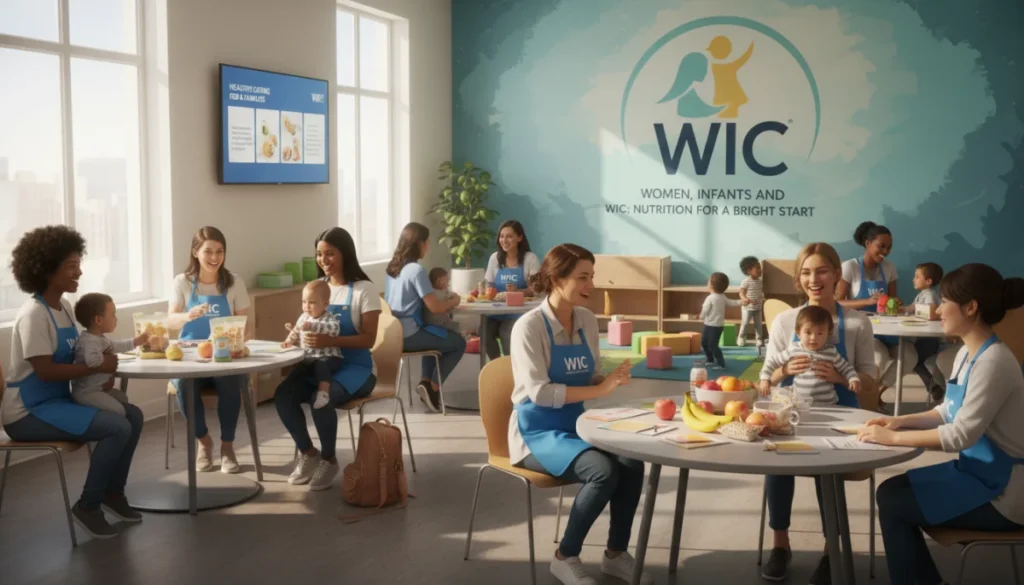
The 2026 WIC Program is a critical federal initiative that provides vital supplemental foods, healthcare referrals, and nutrition education to low-income pregnant, breastfeeding, and postpartum women, and to infants and children up to age five in the United States.
Are you wondering about the future of nutritional assistance for families? The 2026 WIC Program continues its crucial role in supporting the health and well-being of pregnant women, new mothers, and young children across the United States. This federal program is more than just food assistance; it’s a comprehensive approach to early childhood nutrition and development, ensuring vulnerable populations have access to essential resources.
Understanding the WIC Program’s Core Mission in 2026
The Special Supplemental Nutrition Program for Women, Infants, and Children, commonly known as WIC, stands as a cornerstone of public health in the United States. Its mission in 2026 remains steadfast: to safeguard the health of low-income pregnant, postpartum, and breastfeeding women, and infants and children up to age five who are at nutritional risk, by providing nutritious foods to supplement diets, information on healthy eating, and referrals to health care.
This program is not merely about providing groceries; it’s about fostering a healthier start in life. By addressing nutritional deficiencies early on, WIC aims to prevent long-term health issues and ensure that children have the best possible foundation for growth and development. Its reach extends beyond individual families, contributing significantly to community health outcomes and reducing healthcare disparities.
Eligibility and participation
Eligibility for the WIC Program is determined by several factors, primarily income and nutritional risk. In 2026, the criteria continue to focus on those most in need, ensuring resources are directed effectively.
- Income Guidelines: Applicants must meet specific income thresholds, typically at or below 185% of the federal poverty level.
- Nutritional Risk: A healthcare professional must determine that an applicant is at nutritional risk, which can include medical conditions or dietary deficiencies.
- Categorical Eligibility: Pregnant women, breastfeeding women (up to one year postpartum), non-breastfeeding postpartum women (up to six months postpartum), infants (up to one year of age), and children (up to five years of age) are eligible categories.
The enrollment process involves an application, an interview with WIC staff, and a health screening. This comprehensive approach ensures that the program identifies and serves those who can benefit most from its services, making a tangible difference in the lives of many families.
In conclusion, the core mission of the WIC Program in 2026 is deeply rooted in preventative health and early intervention. By providing targeted nutritional support, education, and referrals, WIC continues to play an indispensable role in promoting the health and well-being of vulnerable mothers and young children across the nation, ensuring a brighter future for these families.
Key Benefits of the 2026 WIC Program for Families
The 2026 WIC Program offers a multifaceted array of benefits designed to address the unique nutritional and health needs of its participants. These benefits extend far beyond the immediate provision of food, encompassing education, healthcare access, and community support, all crucial for a child’s early development and a mother’s well-being.
At its heart, WIC provides specific supplemental foods tailored to the dietary needs of pregnant women, new mothers, infants, and young children. These foods are carefully selected to supply nutrients often lacking in the diets of the target population, such as iron, protein, calcium, and vitamins A and C. The program’s structure ensures that participants receive foods that genuinely contribute to a healthier diet, rather than simply supplementing existing food choices.
Nutritious food packages
The food packages provided by WIC are standardized to align with the latest dietary recommendations. These packages are not one-size-fits-all but are customized based on the participant’s category (e.g., pregnant, breastfeeding, infant, child) and specific nutritional needs.
- For Pregnant and Postpartum Women: Includes milk, cheese, eggs, whole-wheat bread, fruits, vegetables, and iron-fortified cereal.
- For Breastfeeding Women: Similar to pregnant women’s packages but often with increased quantities and additional items like canned fish.
- For Infants: Iron-fortified formula (if not exclusively breastfed), infant cereal, and infant fruits and vegetables.
- For Children: Milk, cheese, eggs, fruits, vegetables, whole grains, and iron-fortified cereal.
These food items are critical in preventing common nutritional deficiencies and promoting healthy growth. The emphasis on whole foods and nutrient-dense options encourages healthier eating habits from an early age, setting a foundation for lifelong wellness.
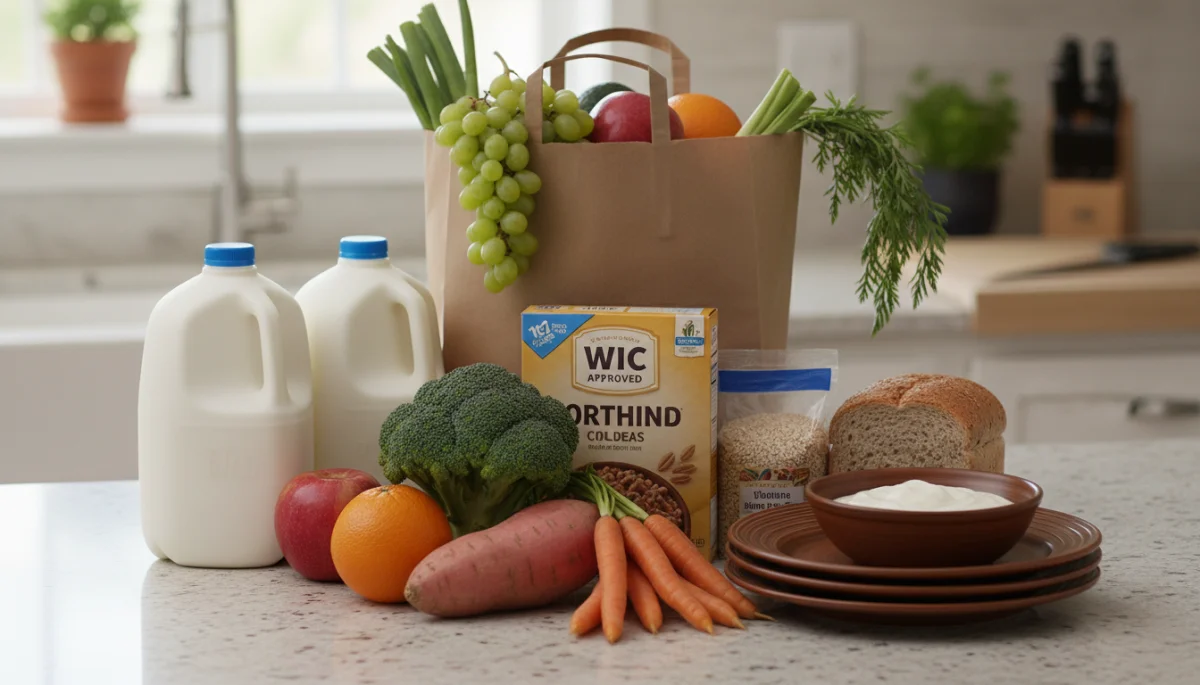
Beyond the food, WIC provides invaluable nutrition education. This includes guidance on healthy meal planning, breastfeeding support, and advice on feeding infants and young children. This educational component empowers families with the knowledge to make informed dietary choices and foster healthier lifestyles.
Furthermore, WIC acts as a gateway to other essential health and social services. Participants receive referrals to pediatricians, immunizations, substance abuse counseling, and family planning services, creating a holistic support system. This integrated approach ensures that families can access a broader range of care, addressing various aspects of their well-being.
In essence, the 2026 WIC Program’s benefits are comprehensive, extending from direct food provision to critical health education and vital referrals. These resources collectively empower families to achieve better health outcomes and secure a stronger start for their children.
Impact on Maternal and Child Health Outcomes
The 2026 WIC Program continues to demonstrate a significant and measurable impact on maternal and child health outcomes across the United States. Its targeted interventions play a crucial role in reducing health disparities and promoting healthier pregnancies and early childhood development. The evidence consistently shows that WIC participation leads to better health indicators for both mothers and their children, underscoring its importance as a public health initiative.
For pregnant women, WIC participation is associated with improved prenatal care initiation and fewer preterm births. acceso to nutritious foods and counseling helps ensure adequate weight gain during pregnancy, which is vital for fetal development and reduces the risk of complications. This early support sets the stage for a healthier pregnancy journey and a stronger start for the newborn.
Reduced infant mortality and improved birth weights
One of the most profound impacts of the WIC Program is its contribution to reducing infant mortality rates and improving birth weights. Studies have consistently shown a correlation between WIC participation and these positive outcomes.
- Lower Infant Mortality: WIC helps reduce the incidence of infant deaths by ensuring mothers receive adequate nutrition and healthcare referrals.
- Increased Birth Weights: Babies born to WIC participants tend to have higher birth weights, reducing the risk of health problems associated with low birth weight.
- Reduced Preterm Births: The program’s support contributes to fewer premature deliveries, which are a leading cause of infant morbidity and mortality.
These improvements in birth outcomes are critical for a child’s long-term health and development, reducing the burden on healthcare systems and improving overall societal well-being. The preventative nature of WIC means that it addresses potential health issues before they become severe, leading to better overall health trajectories.
For children, WIC involvement is linked to improved dietary intake, reduced rates of iron-deficiency anemia, and better cognitive development. The provision of nutrient-rich foods and nutrition education helps children meet their developmental milestones and perform better in school. This early nutritional foundation is essential for building healthy bodies and minds, preparing children for future success.
Moreover, WIC’s emphasis on breastfeeding support has been instrumental in increasing breastfeeding initiation and duration rates among participants. Breastfeeding offers numerous health benefits for both mother and child, including enhanced immunity for infants and reduced risks of certain diseases for mothers. The program’s lactation consultants and peer counselors provide invaluable guidance and encouragement, empowering mothers to breastfeed successfully.
In summary, the 2026 WIC Program continues to be a powerful force in improving maternal and child health. Its comprehensive approach, encompassing nutritional support, education, and healthcare referrals, translates into tangible benefits that positively impact the lives of countless families and contribute to a healthier society.
Navigating the Application Process and Local WIC Agencies
For families considering the 2026 WIC Program, understanding the application process and how to connect with local WIC agencies is the first crucial step. While the program’s benefits are substantial, navigating the administrative aspects can sometimes seem daunting. However, WIC agencies are designed to be accessible and supportive, guiding applicants through each stage to ensure eligible families receive the assistance they need.
The application process typically begins with contacting your state or local WIC agency. These agencies are responsible for administering the program at the community level, providing personalized support and information. They can help determine preliminary eligibility, explain required documentation, and schedule appointments for enrollment.
Steps to apply for WIC benefits
Applying for WIC involves a few key steps, each designed to verify eligibility and tailor benefits to individual needs. Being prepared with the necessary documentation can significantly streamline the process.
- Initial Contact: Locate your nearest WIC clinic or agency, often found through state health department websites or a simple online search.
- Gather Documentation: You will typically need proof of identity (for all applicants), proof of residency, and proof of income.
- Schedule an Appointment: An appointment will be set for an eligibility interview and health assessment.
- Health Assessment and Interview: A WIC nutritionist or healthcare professional will assess nutritional risk and discuss dietary needs.
- Receive Benefits: Once approved, you will receive an EBT card or vouchers for WIC-approved foods and information on how to use them.
It is important to remember that WIC staff are there to assist you. They can help clarify any uncertainties regarding documentation or the eligibility criteria. Many agencies also offer language assistance and support for individuals with disabilities, ensuring equitable access to the program.
Local WIC agencies play a vital role beyond just processing applications. They serve as community hubs for health and nutrition, offering ongoing education, breastfeeding support groups, and connections to other local resources. These agencies often host workshops on healthy cooking, infant feeding, and child development, further empowering families with valuable knowledge and skills.
Connecting with your local WIC agency is not just about getting food benefits; it’s about joining a supportive network dedicated to the health of your family. These agencies are equipped to provide comprehensive care and guidance, making the journey through pregnancy and early childhood a healthier and more informed one.
In conclusion, navigating the WIC application process involves a few straightforward steps, with local agencies providing essential support. By understanding these steps and utilizing the resources available, families can effectively access the valuable benefits offered by the 2026 WIC Program.
The Role of Nutrition Education and Breastfeeding Support
A distinctive and highly effective component of the 2026 WIC Program is its robust emphasis on nutrition education and comprehensive breastfeeding support. These elements are not merely supplementary but are integral to the program’s success, empowering participants with the knowledge and skills necessary to make informed health decisions for themselves and their children. WIC recognizes that providing food alone is insufficient; education transforms short-term aid into long-term healthy habits.
Nutrition education within WIC is tailored to the specific needs of pregnant women, new mothers, and caregivers of young children. Topics covered often include healthy eating during pregnancy, appropriate infant feeding practices, managing picky eaters, and making the most of WIC food packages. This guidance is delivered by qualified nutritionists and other healthcare professionals, ensuring that the information is accurate, practical, and culturally sensitive.
Comprehensive breastfeeding resources
Breastfeeding is a cornerstone of infant health, and WIC dedicates significant resources to promoting and supporting it. The program understands the challenges many mothers face and provides a network of support to help them succeed.
- Lactation Counselors: Access to certified lactation consultants who provide one-on-one guidance and address breastfeeding concerns.
- Peer Counselors: Experienced WIC mothers who offer encouragement, practical tips, and emotional support to new mothers.
- Breastfeeding Classes: Educational sessions on latching, milk supply, pumping, and returning to work while breastfeeding.
- Breast Pumps: Provision of breast pumps when medically indicated, helping mothers maintain lactation and provide breast milk for their infants.
This extensive support system helps increase breastfeeding initiation and duration rates, leading to healthier outcomes for both mothers and infants. The benefits of breastfeeding, such as enhanced infant immunity, reduced risk of certain chronic diseases, and improved maternal bonding, are well-documented, making WIC’s investment in this area particularly impactful.
The nutrition education extends beyond individual counseling sessions. Many WIC agencies host group classes, online resources, and community events that cover a wide range of health topics. These platforms facilitate peer-to-peer learning and create a supportive environment where participants can share experiences and gain confidence in their ability to make healthy choices.
By integrating nutrition education and robust breastfeeding support, the 2026 WIC Program moves beyond direct food assistance to foster sustainable health practices. This holistic approach empowers families to build a foundation of wellness that extends far into the future, demonstrating WIC’s commitment to long-term positive health outcomes for its participants.
Addressing Challenges and Future Outlook for WIC in 2026
While the 2026 WIC Program remains an indispensable resource, it is not without its challenges. Like many large-scale federal initiatives, WIC continually adapts to evolving public health needs, economic shifts, and administrative complexities. Understanding these challenges and the program’s future outlook is crucial for appreciating its ongoing resilience and impact on vulnerable families.
One persistent challenge for WIC is ensuring sufficient funding to meet the growing demand for its services. Economic downturns or changes in federal budgets can impact the program’s ability to serve all eligible applicants. Advocacy efforts are continuously underway to secure stable and adequate funding, recognizing WIC’s proven return on investment in public health.
Adapting to modern family needs
The demographics and needs of modern families are constantly changing, and WIC must adapt to remain relevant and effective. This includes addressing issues such as food access in rural areas, cultural dietary preferences, and the increasing reliance on digital services.
- Digital Transformation: Expanding online application processes and virtual nutrition counseling to improve accessibility.
- Cultural Competency: Ensuring food packages and educational materials are culturally appropriate and inclusive of diverse dietary practices.
- Rural Access: Developing strategies to reach families in remote areas who may have limited access to WIC clinics or approved grocery stores.
- Technology Integration: Utilizing technology for appointment scheduling, benefit issuance (e.g., EBT cards), and information dissemination.
Another area of focus is program modernization. This includes streamlining administrative processes, improving data collection, and leveraging technology to enhance the participant experience. By reducing bureaucratic hurdles, WIC aims to make it easier for eligible families to access and utilize their benefits, ensuring that the program operates as efficiently as possible.
The future outlook for the 2026 WIC Program is one of continued evolution and commitment. There is an ongoing effort to strengthen partnerships with healthcare providers, community organizations, and other federal programs to create a more integrated support system for families. This collaborative approach recognizes that nutritional support is just one piece of a larger puzzle in promoting overall family well-being.
Furthermore, research and evaluation remain critical components of WIC’s future. By continuously assessing the program’s effectiveness and identifying areas for improvement, WIC can refine its services to better meet the needs of its participants and demonstrate its continued value to policymakers and the public. This evidence-based approach ensures that WIC remains a dynamic and responsive program.
In conclusion, while challenges exist, the 2026 WIC Program is poised for continued effectiveness through ongoing adaptation, modernization, and a steadfast commitment to the health of mothers and children. Its ability to evolve will ensure its enduring impact on public health.
WIC’s Economic and Societal Benefits in the US
Beyond its direct impact on individual health, the 2026 WIC Program yields significant economic and societal benefits for the United States. Investing in early childhood nutrition and maternal health through WIC is not just a social expenditure; it is a strategic investment that pays dividends in reduced healthcare costs, improved educational outcomes, and a more productive workforce. These broader impacts underscore WIC’s critical role in fostering a healthier and more prosperous nation.
One of the most compelling economic arguments for WIC is its proven ability to reduce healthcare expenditures. By preventing low birth weight, preterm births, and common nutritional deficiencies, WIC helps avert costly medical interventions later in life. Healthier mothers and children require fewer emergency room visits, hospitalizations, and specialized medical treatments, resulting in substantial savings for both families and the healthcare system.
Long-term societal advantages
The benefits of WIC extend far beyond immediate health outcomes, contributing to long-term societal advantages that strengthen communities and the economy.
- Improved Academic Performance: Children who participate in WIC tend to have better cognitive development and academic readiness, leading to stronger educational outcomes.
- Increased Productivity: Healthier children are more likely to grow into healthy, productive adults, contributing to the workforce and economic growth.
- Reduced Poverty Cycles: By supporting vulnerable families, WIC helps break cycles of poverty, offering a pathway to self-sufficiency and improved quality of life.
- Community Economic Stimulus: WIC benefits are redeemed at local grocery stores, injecting federal funds directly into local economies and supporting small businesses.
The program’s focus on nutrition education also empowers families with knowledge that can lead to more economical food choices and reduced food waste. Learning how to prepare healthy meals on a budget and understanding nutritional labels are skills that benefit families long after their WIC participation ends, contributing to greater food security and financial stability.
Furthermore, WIC contributes to a more equitable society by targeting resources to populations most in need. It helps to level the playing field for children from low-income backgrounds, giving them a better chance to thrive and succeed. This commitment to equity aligns with broader national goals of reducing disparities and ensuring that all children have the opportunity to reach their full potential.
In essence, the 2026 WIC Program is a powerful economic engine and a catalyst for societal improvement. Its comprehensive approach to maternal and child health translates into significant returns on investment, making it a vital program for the well-being and prosperity of the United States. Its benefits reverberate through healthcare, education, and the economy, creating a stronger foundation for the nation’s future.
| Key Aspect | Brief Description |
|---|---|
| Core Mission | Provides supplemental foods, nutrition education, and healthcare referrals to at-risk mothers and young children. |
| Key Benefits | Nutritious food packages, tailored education, and crucial referrals for health and social services. |
| Health Impact | Reduces infant mortality, improves birth weights, and enhances child development and maternal health. |
| Economic Value | Lowers healthcare costs, boosts academic performance, and stimulates local economies. |
Frequently Asked Questions About the 2026 WIC Program
Eligibility for the 2026 WIC Program generally includes pregnant, breastfeeding, and postpartum women, as well as infants and children up to age five. Applicants must meet specific income guidelines and be determined by a healthcare professional to be at nutritional risk, ensuring the program targets those most in need of support.
WIC provides a variety of nutritious foods tailored to participant needs. These typically include milk, cheese, eggs, whole-wheat bread, fruits, vegetables, iron-fortified cereals, and infant formula (if applicable). The specific items and quantities vary based on the participant’s category and nutritional assessment, focusing on essential nutrients.
The WIC Program offers extensive breastfeeding support through certified lactation counselors, peer counselors, and educational classes. It also provides breast pumps when medically necessary. This comprehensive approach helps mothers initiate and continue breastfeeding, which is crucial for both maternal and infant health outcomes and development.
Children participating in WIC often experience improved birth weights, reduced infant mortality, and better cognitive development. These benefits contribute to enhanced academic performance and a stronger foundation for lifelong health. The nutritional education also instills healthy eating habits from an early age, promoting overall well-being.
To apply for the 2026 WIC Program, you should contact your state or local WIC agency. They will guide you through the application process, which typically involves gathering proof of identity, residency, and income, followed by an eligibility interview and health assessment. Online resources are also available to help locate your nearest WIC clinic.
Conclusion
The 2026 WIC Program continues to stand as an indispensable pillar of public health and family well-being in the United States. Its comprehensive approach, encompassing targeted nutritional support, essential health education, and crucial referrals, ensures that vulnerable pregnant women, new mothers, and young children receive the foundational resources they need to thrive. Beyond individual health benefits, WIC’s profound impact on reducing healthcare costs, improving educational outcomes, and stimulating local economies underscores its value as a wise societal investment. As the program evolves to meet contemporary challenges, its core mission remains steadfast: fostering a healthier, more equitable future for America’s families.
