US Federal Paid Family Leave 2026: Rights and Benefits Explained

Navigating the complexities of US federal paid family leave in 2026 requires understanding the evolving legislative landscape and its direct impact on worker rights and family well-being across the United States.
As we advance into 2026, the discussion around US federal paid family leave continues to be a cornerstone of worker rights and family support in the United States. This vital policy allows individuals to take time off work for significant life events without sacrificing their income, fostering both economic stability and personal well-being. Whether you’re welcoming a new child, caring for a seriously ill family member, or managing your own serious health condition, understanding your rights and the benefits available is more important than ever.
The Current Landscape of Federal Paid Family Leave
The concept of federal paid family leave in the US has seen significant evolution, reflecting a growing societal recognition of the need for work-life balance and family support. While a comprehensive, universal federal paid leave program akin to those in many other developed nations is still under development, several key pieces of legislation and initiatives are shaping the current landscape. These measures aim to provide varying degrees of paid time off for specific circumstances, impacting numerous American workers.
Understanding the current state involves looking at both existing federal provisions and the ongoing legislative efforts that could expand these benefits. The push for broader coverage stems from a bipartisan understanding that paid leave benefits not only individual families but also the economy as a whole, by improving employee retention, productivity, and overall worker morale.
Key Federal Initiatives and Their Scope
Several federal initiatives currently provide some form of paid leave, though often limited in scope or to specific employee groups. These programs serve as foundational elements for potential future expansions.
- Federal Employee Paid Leave Act (FEPLA): This act grants federal employees up to 12 weeks of paid parental leave for the birth or placement of a child, a significant step forward for government workers.
- Tax Credits for Paid Family and Medical Leave: Some employers can claim tax credits for voluntarily offering paid family and medical leave to their employees, incentivizing the provision of such benefits.
- Ongoing Legislative Proposals: Various bills are regularly introduced in Congress, proposing different models for a national paid family leave program, often varying in funding mechanisms, eligibility, and duration.
These initiatives, while not forming a single, unified federal paid family leave program, collectively illustrate the direction of policy discussions. They highlight the federal government’s increasing engagement in addressing the need for paid leave, albeit in a fragmented manner currently. The conversation is less about whether paid leave is necessary and more about how best to implement it on a national scale.
Understanding Eligibility for Federal Paid Leave
Determining eligibility for federal paid family leave can be complex, as it often depends on the specific program or policy in question. Generally, eligibility criteria revolve around factors such as employment type, duration of employment, and the qualifying life event requiring leave. It’s crucial for individuals to understand these nuances to effectively claim their rights.
For federal employees, the criteria under FEPLA are relatively clear, but for private sector workers, eligibility often hinges on whether their employer participates in voluntary programs or if state laws provide additional protections. The lack of a single, overarching federal mandate means that eligibility can vary significantly from one workplace to another.
Common Eligibility Requirements
While specific requirements vary, several common themes emerge across federal and state-level paid leave programs:
- Duration of Employment: Many programs require an employee to have worked for their employer for a minimum period, often 12 months, and a certain number of hours within that period.
- Employer Size: Some federal incentives or state laws may only apply to employers above a certain size threshold.
- Qualifying Life Event: The reason for taking leave must fall under specific categories, such as the birth or adoption of a child, caring for a seriously ill family member, or dealing with one’s own serious health condition.
It is important for employees to consult their employer’s human resources department or relevant government agencies to ascertain their specific eligibility. The landscape is dynamic, and what might not be covered federally could be covered by state or local laws, or even by company-specific policies. Staying informed is key to accessing these important benefits.
Benefits and Protections Under Federal Paid Leave
The benefits provided by federal paid family leave programs extend beyond just financial compensation; they offer significant protections for workers’ jobs and career progression. These protections are designed to ensure that taking necessary time off for family or health reasons does not jeopardize an individual’s employment or economic security. The value of these benefits cannot be overstated, contributing to overall employee well-being and a more stable workforce.
While direct federal paid leave is not universal, existing regulations like the Family and Medical Leave Act (FMLA), though unpaid, provide job protection for eligible employees. The current push for federal paid leave aims to marry this job protection with income replacement, creating a more robust support system for American families.
Key Benefits and Safeguards
When federal paid leave is available, either directly or through incentivized employer programs, it typically includes:
- Income Replacement: A significant portion, if not all, of an employee’s regular wages during their approved leave period, easing financial burdens.
- Job Protection: Assurance that an employee’s job, or an equivalent position, will be available upon their return from leave. This is a critical component that prevents career penalties for taking necessary time off.
- Continued Health Benefits: Maintenance of health insurance coverage during the leave period, often with the employer continuing to pay their share of premiums.
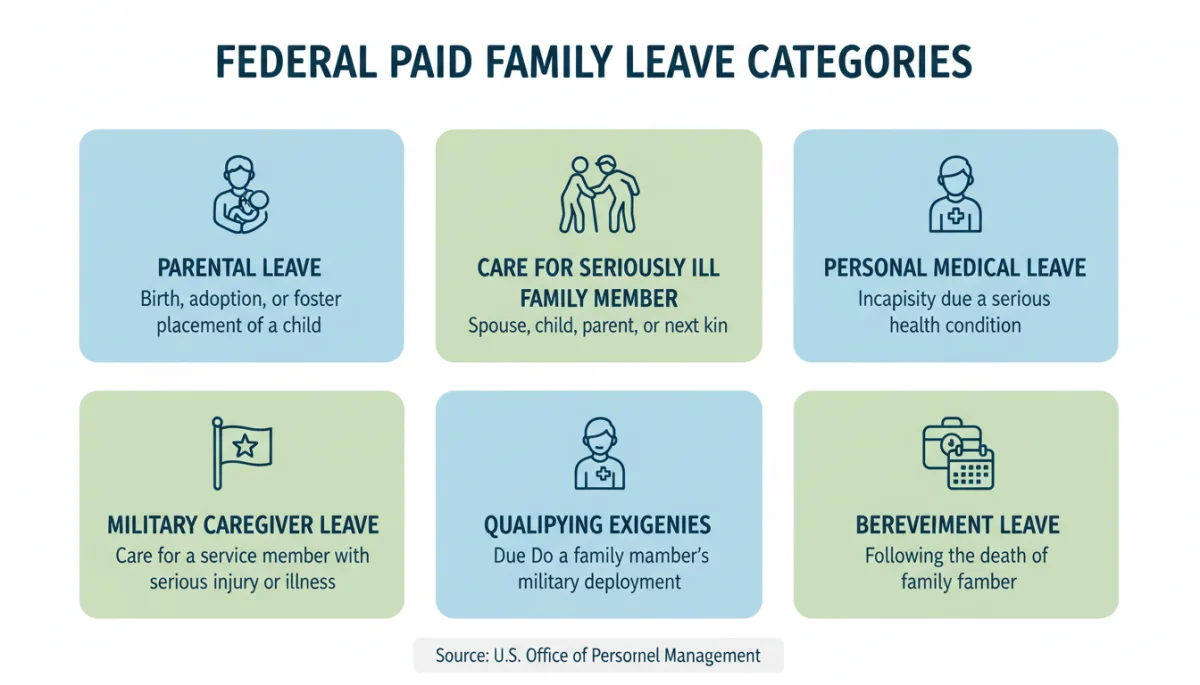
These benefits collectively create a safety net for workers facing life’s most significant challenges. The ongoing debate around federal paid family leave often centers on how to expand these critical protections to more workers across the nation, ensuring equitable access and stronger support for all families.
The Role of State and Local Paid Leave Policies
In the absence of a comprehensive federal paid family leave program, state and local governments have stepped up to fill the void, creating a patchwork of varying policies across the United States. These localized initiatives play a crucial role in providing paid leave benefits to millions of workers, often serving as models for potential federal legislation. Understanding these state and local policies is essential for both employees and employers, as they often dictate the immediate availability of paid leave.
The diversity in these policies means that a worker’s access to paid leave can depend heavily on their geographic location. Some states offer robust paid family and medical leave programs, while others have more limited provisions or none at all. This regional disparity highlights the ongoing need for a national standard.
Notable State and Local Programs
Many states have implemented their own paid family and medical leave laws, often offering more extensive benefits than federal guidelines. These programs typically cover a broader range of reasons for leave and provide a higher percentage of wage replacement.
- California, New Jersey, New York: These states, among others, have established comprehensive paid family leave programs funded through employee payroll deductions, offering benefits for various family and medical reasons.
- District of Columbia and numerous cities: Many local jurisdictions have also enacted their own paid leave ordinances, further expanding access to benefits for workers within their boundaries.
- Varied Funding and Duration: State and local programs differ significantly in how they are funded (e.g., employer contributions, employee contributions, or a combination) and the maximum duration of leave allowed.
These state and local policies demonstrate the feasibility and positive impact of paid leave programs. They provide invaluable support to families, showcasing how such benefits can be successfully implemented and administered, even as the federal government continues to deliberate on a national solution. For individuals, knowing their state and local rights is paramount.
Employer Responsibilities and Compliance in 2026
For employers, navigating the evolving landscape of federal paid family leave and its interplay with state and local laws presents a complex challenge. Compliance requires a thorough understanding of not only existing federal guidelines but also any applicable state-specific mandates and voluntary programs. As discussions around US federal paid family leave intensify for 2026, employers must remain vigilant and proactive in adapting their internal policies.
Ensuring compliance is crucial to avoid legal penalties, foster a positive work environment, and attract and retain talent. Employers who proactively offer paid leave benefits, even in the absence of a federal mandate, often see improved employee morale and reduced turnover.
Key Employer Obligations
Employers have several responsibilities regarding paid leave, which can vary based on their size, industry, and location:
- Understanding FMLA and FEPLA: Employers must comply with the FMLA for eligible employees, even if it’s unpaid leave, ensuring job protection. Federal employers must also adhere to FEPLA.
- Adherence to State and Local Laws: For employers operating in states or cities with their own paid leave laws, compliance with these specific regulations is mandatory, which may include payroll deductions, benefit administration, and notice requirements.
- Policy Communication: Clearly communicating paid leave policies to employees, including eligibility criteria, application procedures, and available benefits, is essential for transparency and compliance.
As the conversation around federal paid family leave continues to evolve, employers should regularly review their policies and seek legal counsel to ensure full compliance with all applicable laws. Proactive engagement with these policies not only protects the business but also demonstrates a commitment to employee well-being, which is increasingly important in today’s competitive job market.
The Future Outlook for Federal Paid Family Leave
The trajectory of US federal paid family leave in the coming years, particularly towards 2026 and beyond, points towards a continued push for more comprehensive and equitable solutions. While progress has been incremental, the bipartisan recognition of its importance suggests that a national program, or significant expansion of existing ones, remains a strong possibility. Various legislative proposals are on the table, each with different approaches to funding, scope, and administration, reflecting the complexity of reaching a consensus.
Advocates for paid leave continue to highlight its economic and social benefits, including improved public health outcomes, greater gender equity in the workforce, and enhanced financial stability for families. These arguments are gaining traction, influencing policymakers to explore viable pathways for implementation.
Potential Legislative Directions and Debates
Several key areas of debate and potential legislative directions are shaping the future of federal paid family leave:
- Universal vs. Targeted Programs: Discussions often revolve around whether to implement a universal program covering all workers or to expand existing targeted programs, such as those for federal employees.
- Funding Mechanisms: A major point of contention is how to fund a national program, with proposals ranging from payroll taxes to general revenue allocations.
- Duration and Wage Replacement Levels: The ideal length of leave and the percentage of wages to be replaced are also subjects of ongoing debate, aiming to balance worker needs with economic feasibility.
The future of federal paid family leave will likely involve a blend of these approaches, as policymakers strive to create a system that is both effective and politically achievable. Regardless of the specific path taken, the trend indicates a growing momentum towards ensuring that all American workers have access to paid time off for essential family and health needs, solidifying the importance of this benefit for a resilient workforce and thriving families.
| Key Aspect | Brief Description |
|---|---|
| Current Status | Fragmented federal provisions, primarily for federal employees, supplemented by diverse state and local laws. |
| Eligibility Factors | Varies by program; often includes employment duration, employer size, and specific qualifying life events. |
| Benefits Provided | Typically includes income replacement, job protection, and continued health benefits during approved leave. |
| Future Outlook | Strong momentum for national expansion, with ongoing legislative debates on scope, funding, and implementation. |
Frequently Asked Questions About Federal Paid Family Leave
The Family and Medical Leave Act (FMLA) provides eligible employees with job-protected, unpaid leave for specified family and medical reasons. Federal paid family leave, where available, offers similar protections but crucially includes wage replacement, ensuring financial stability during the leave period for qualifying events.
No, not all US employees are covered by a universal federal paid family leave program in 2026. Coverage largely depends on whether an individual is a federal employee, if their employer voluntarily offers paid leave, or if they reside in a state or locality with its own paid family leave laws.
Federal paid family leave, in its current limited forms, is funded through general appropriations for federal employees. Proposed national programs often consider funding through payroll taxes (employer, employee, or both) or general government revenues, which remains a key area of legislative debate.
Yes, many existing and proposed federal paid family leave policies, as well as numerous state programs, include caring for a seriously ill family member, which often encompasses elderly parents, as a qualifying reason for taking leave. Specific eligibility might vary by program.
If your employer denies your paid family leave request, first review your company’s policies and any applicable state or local laws. If you believe your rights have been violated, consider consulting with a human resources professional, a labor attorney, or relevant government agencies for guidance and potential recourse.
Conclusion: A Path Forward for American Families
The journey towards a comprehensive US federal paid family leave program by 2026 underscores a collective recognition of the fundamental need for workers to balance their professional lives with crucial family and health responsibilities. While the landscape currently presents a mosaic of federal, state, and local provisions, the momentum for a more unified and equitable system is undeniable. Understanding these evolving rights and benefits is not just about compliance; it’s about empowering individuals and strengthening the fabric of American families. As legislative discussions continue, staying informed and advocating for these vital protections will remain paramount, ensuring that no worker has to choose between their livelihood and their loved ones.
