Medicaid Expansion 2026: Your Healthcare Access Guide

Medicaid Expansion in 2026 significantly broadens healthcare access for low-income adults in participating states by aligning eligibility with federal poverty levels, ensuring more Americans can receive essential medical services and financial protection.
For millions of Americans, navigating the complexities of healthcare can be a daunting task. As we approach 2026, understanding Medicaid Expansion in 2026 becomes crucial, offering a clearer picture of how healthcare access could evolve across the United States. This expansion represents a significant policy cornerstone, directly impacting who qualifies for essential medical services and the financial burdens associated with them.
The Foundations of Medicaid Expansion
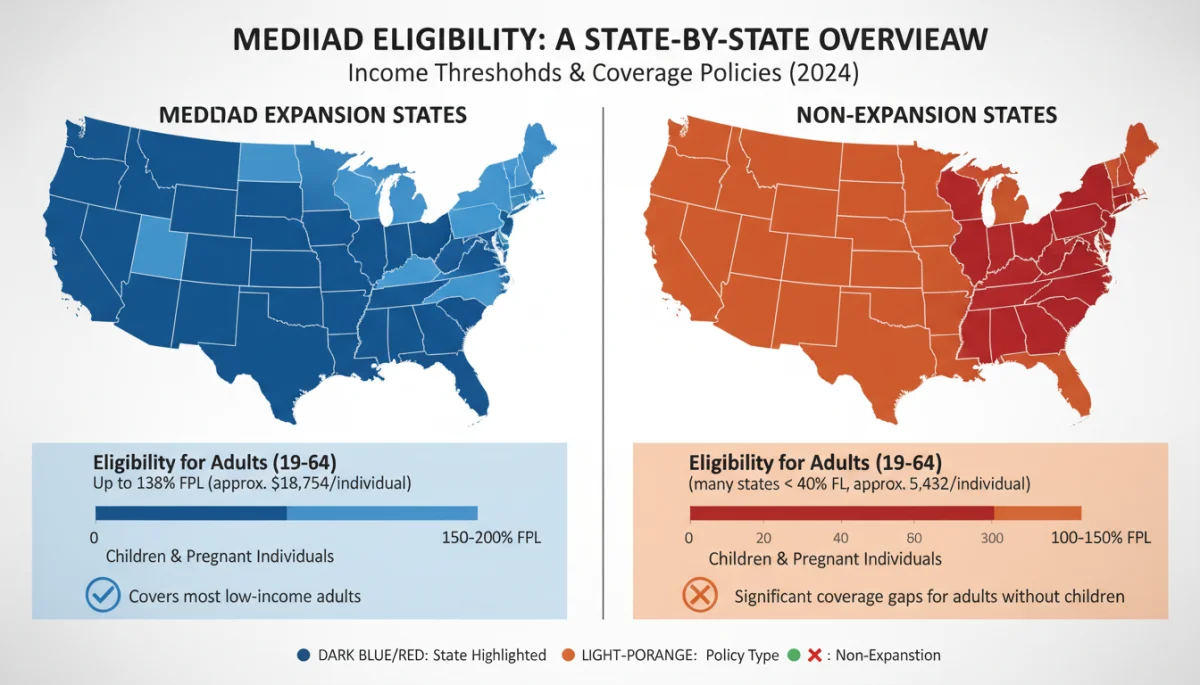
Medicaid, a joint federal and state program, provides healthcare coverage to millions of low-income Americans. Its expansion under the Affordable Care Act (ACA) has been a transformative force, enabling states to extend coverage to nearly all non-elderly adults with incomes up to 138% of the federal poverty level (FPL).
The original intent of the ACA was for all states to expand Medicaid, creating a more uniform safety net. However, a 2012 Supreme Court ruling made expansion optional for states, leading to a patchwork system where some states expanded and others did not. This decision has had profound implications for healthcare access, creating disparities across the nation.
Historical Context and Policy Shifts
Understanding the history of Medicaid expansion is vital to grasping its current and future impact. Before the ACA, Medicaid eligibility for adults without disabilities was often limited to specific categories, such as pregnant women or parents with dependent children, often with very low income thresholds. The ACA sought to simplify and broaden this, addressing the coverage gap where individuals earned too much for traditional Medicaid but too little for ACA marketplace subsidies.
- Pre-ACA Eligibility: Fragmented criteria, often excluding childless adults.
- ACA Mandate: Universal expansion to 138% FPL for most non-elderly adults.
- Supreme Court Ruling: Made state participation optional, creating the current landscape.
- State-by-State Adoption: Gradual expansion over the years, driven by various factors.
As we look to 2026, the ongoing debate and potential shifts in state participation continue to shape the program’s reach. States that have not yet expanded Medicaid face persistent pressure and incentives to do so, recognizing the benefits in terms of public health and economic stability.
The foundations of Medicaid expansion are rooted in the pursuit of universal healthcare access, aiming to ensure that financial status does not prevent individuals from receiving necessary medical care. The ongoing evolution of this policy reflects a dynamic interplay of federal incentives, state priorities, and public health needs.
Eligibility Criteria and Who Benefits in 2026
In 2026, the core eligibility criteria for Medicaid expansion will largely remain consistent with current guidelines, focusing on income relative to the federal poverty level (FPL). For states that have expanded Medicaid, non-elderly adults with incomes up to 138% of the FPL are typically eligible. This threshold is a critical determinant of who gains access to comprehensive health coverage.
The FPL itself is adjusted annually, meaning the exact income figures will change, but the percentage threshold remains constant for expansion states. This ensures that the program adapts to economic realities, providing a stable safety net for those who need it most. The expansion specifically targets adults who traditionally fell into a coverage gap, earning too much for pre-ACA Medicaid but too little to afford private insurance even with marketplace subsidies.
Impact on Vulnerable Populations
Medicaid expansion profoundly benefits several vulnerable populations. These include low-wage workers, individuals transitioning between jobs, and those experiencing temporary financial hardship. Many of these individuals are employed but in jobs that do not offer employer-sponsored health insurance or offer plans with prohibitively high premiums and deductibles.
- Low-Income Workers: Many full-time workers in service or hourly positions can gain coverage.
- Unemployed or Underemployed: Provides a crucial safety net during periods of economic instability.
- Individuals with Chronic Conditions: Ensures access to ongoing care, medications, and specialized treatments.
- Rural Communities: Often have limited healthcare options, making Medicaid expansion vital for access.
Beyond these groups, the expansion also supports individuals with mental health conditions and substance use disorders, facilitating access to crucial behavioral health services that might otherwise be unattainable. This comprehensive approach to care underscores the program’s role in addressing broader public health challenges.
Expanded Benefits and Services
One of the most compelling aspects of Medicaid expansion is the comprehensive range of benefits and services it provides. Unlike some limited health plans, Medicaid generally covers a broad spectrum of medical needs, ensuring that eligible individuals receive holistic care. This extensive coverage is a cornerstone of the program, designed to promote overall well-being and prevent minor health issues from escalating into severe, costly conditions.
The specific services covered can vary slightly by state, but federal guidelines mandate certain essential health benefits. These include preventive care, which is critical for early detection and management of diseases, as well as more acute and chronic care services. For many, this comprehensive coverage is a lifeline, allowing them to access care they simply couldn’t afford otherwise.
Key Services Covered by Expanded Medicaid
The scope of services typically includes those deemed essential for maintaining health and addressing medical needs. These benefits are designed to be robust, offering a level of care comparable to many private insurance plans.
- Doctor Visits: Routine check-ups, specialist consultations, and urgent care.
- Hospital Stays: Inpatient and outpatient hospital services, including emergency care.
- Prescription Medications: Coverage for a wide range of necessary drugs.
- Mental Health Services: Counseling, therapy, and substance use disorder treatment.
- Laboratory and X-ray Services: Diagnostic tests crucial for accurate diagnoses.
- Preventive Care: Vaccinations, screenings, and wellness visits to prevent illness.
Beyond these core services, many states also offer additional benefits such as dental care, vision care, and non-emergency medical transportation. These extra provisions further enhance the value of Medicaid expansion, particularly for individuals who may have limited access to such services through other means.
The expanded benefits not only improve individual health outcomes but also contribute to a healthier community by reducing the burden on emergency rooms and promoting regular, proactive healthcare engagement. As 2026 approaches, the stability and continuation of these benefits remain a critical concern for millions of beneficiaries.
The Economic and Health Impacts of Expansion
The decision by states to expand Medicaid has far-reaching economic and health consequences, impacting not only beneficiaries but also healthcare providers, state budgets, and local economies. Research consistently demonstrates that states that have expanded Medicaid experience significant improvements in various public health metrics and often see positive economic ripple effects.
From a health perspective, expansion leads to increased access to care, which translates into earlier diagnoses, better management of chronic conditions, and reduced mortality rates. Individuals with coverage are more likely to seek preventive care and less likely to delay necessary medical treatment due to cost concerns.
Reduced Uncompensated Care and Financial Strain
One of the most notable economic benefits is the reduction in uncompensated care costs for hospitals and other healthcare providers. When uninsured individuals receive emergency care, hospitals often bear the cost, which can strain their finances. Medicaid expansion shifts these costs to the federal government, which funds a significant portion of the expansion, reducing the financial burden on providers and often leading to improved hospital finances, particularly in rural areas.
- Hospital Financial Stability: Less uncompensated care means more stable hospital budgets.
- Reduced Medical Debt: Fewer uninsured individuals lead to less personal medical debt.
- Economic Stimulus: Federal funding for Medicaid injections into state economies, supporting healthcare jobs.
- Improved Public Health: Healthier workforce and fewer preventable illnesses contribute to economic productivity.
For individuals, having Medicaid coverage significantly reduces the risk of medical debt and bankruptcy, offering crucial financial protection. This financial security allows beneficiaries to allocate resources to other essential needs, further contributing to their overall well-being and economic stability.
Ultimately, the economic and health impacts of Medicaid expansion are intertwined. A healthier population is a more productive population, and reduced financial strain on individuals and healthcare systems creates a more robust and sustainable economic environment. As 2026 unfolds, these impacts will continue to be closely monitored and debated.
Challenges and Future Outlook for 2026
While Medicaid expansion has brought significant benefits, it is not without its challenges. States that have expanded the program often grapple with managing increasing enrollment, ensuring adequate provider networks, and navigating the complexities of federal and state funding mechanisms. Non-expansion states, on the other hand, face ongoing debates regarding the costs and benefits of joining the expansion.
The political landscape surrounding Medicaid remains dynamic. Changes in federal administration or state legislative priorities can influence the program’s direction, potentially leading to new waiver programs, adjustments in federal matching rates, or renewed efforts to expand in holdout states. These political considerations often play a significant role in determining the future scope and accessibility of Medicaid.
Potential Policy Adjustments and Innovations
Looking ahead to 2026, there are several areas where policy adjustments and innovations could emerge. States might explore new strategies to improve care coordination, integrate behavioral health services more effectively, or implement value-based payment models to enhance efficiency and outcomes. The focus will likely remain on optimizing the delivery of care while managing costs.
- Work Requirements: Ongoing debate regarding the implementation of work requirements for some beneficiaries, though often challenged in courts.
- Managed Care Expansion: Increased reliance on managed care organizations to deliver services and control costs.
- Telehealth Integration: Further incorporation of telehealth services, especially post-pandemic, to improve access in rural areas.
- Behavioral Health Integration: Enhanced efforts to integrate mental health and substance use disorder treatment with physical health care.
Furthermore, technological advancements will continue to shape how Medicaid services are delivered and managed. Digital health tools, data analytics, and artificial intelligence may play a larger role in identifying at-risk populations, personalizing care plans, and streamlining administrative processes. These innovations aim to make the program more efficient and responsive to the needs of its beneficiaries.
The future outlook for Medicaid expansion in 2026 is one of continued evolution. While the core principles of providing healthcare access for low-income individuals will likely persist, the methods and policies employed to achieve this goal will undoubtedly adapt to new challenges and opportunities.
Navigating Medicaid in Non-Expansion States
For individuals residing in states that have not expanded Medicaid by 2026, the landscape of healthcare access remains significantly different. These states typically adhere to pre-ACA eligibility rules, which means that many low-income adults, particularly those without dependent children or disabilities, may find themselves in a coverage gap. This gap refers to individuals whose incomes are too high to qualify for traditional Medicaid but too low to receive subsidies for health insurance purchased through the Affordable Care Act (ACA) marketplace.
Navigating this complex system requires a thorough understanding of the existing state-specific eligibility criteria, which can be highly restrictive. Without the expanded income threshold, eligibility often depends on very low income levels and specific categorical requirements, such as pregnancy, age, or disability status.
Alternative Avenues for Healthcare Access
Despite the challenges, there are still avenues for healthcare access in non-expansion states. These alternatives, while not as comprehensive as expanded Medicaid, can provide crucial support for those in need.
- ACA Marketplace Subsidies: Individuals with incomes above the federal poverty level (FPL) but below 400% FPL may qualify for premium tax credits and cost-sharing reductions on the ACA marketplace.
- Community Health Centers: Federally Qualified Health Centers (FQHCs) offer primary care, dental care, and mental health services on a sliding scale fee based on income, regardless of insurance status.
- Hospital Financial Assistance Programs: Many hospitals offer charity care or financial assistance programs for low-income, uninsured patients.
- Free Clinics and Charitable Organizations: Non-profit organizations and volunteer-run clinics often provide basic medical services or referrals.
For those in the coverage gap, understanding these options is paramount to accessing even basic care. It often requires proactive research and engagement with local health resources to piece together a fragmented network of services. Advocacy groups continue to push for Medicaid expansion in these states, highlighting the significant disparities in health outcomes and economic stability.
The experience of navigating healthcare in non-expansion states underscores the importance of continued policy discussions and potential future legislative changes to ensure more equitable access across the nation. As 2026 progresses, the disparities will likely remain a focal point of healthcare reform debates.
Enrollment Process and Key Deadlines
For those eligible for Medicaid, understanding the enrollment process is the next critical step to securing coverage. Unlike the annual open enrollment period for ACA marketplace plans, Medicaid enrollment is typically open year-round. This means that if you meet the eligibility criteria, you can apply for Medicaid at any time and receive coverage once approved, without waiting for a specific enrollment window.
The application process usually involves submitting an application through your state’s Medicaid agency or through the federal HealthCare.gov website. This application will assess your income, household size, and other relevant factors to determine your eligibility. It is crucial to provide accurate and complete information to avoid delays or rejections.
Documentation and Renewal Procedures
When applying for Medicaid, you will generally need to provide various documents to verify your identity, income, citizenship or immigration status, and state residency. Having these documents prepared in advance can significantly streamline the application process.
- Proof of Income: Pay stubs, tax returns, or employment letters.
- Proof of Residency: Utility bills, lease agreements, or state ID.
- Proof of Identity: Driver’s license, state ID, or passport.
- Social Security Number: For all household members applying for coverage.
Once enrolled, Medicaid beneficiaries are required to renew their coverage periodically, typically annually. This renewal process ensures that individuals continue to meet the eligibility requirements. States will usually send out notices reminding beneficiaries of upcoming renewal deadlines and what documentation is needed. Missing these deadlines can result in a temporary loss of coverage.
The shift to continuous enrollment post-pandemic is a significant development, ensuring that eligible individuals retain their coverage without unnecessary interruptions. However, it is always advisable to stay informed about state-specific policies and any potential changes to renewal procedures. As we move into 2026, staying proactive in managing your enrollment and renewals will be key to maintaining consistent healthcare access.
| Key Aspect | Impact in 2026 |
|---|---|
| Eligibility Threshold | Up to 138% FPL for non-elderly adults in expansion states. |
| Covered Services | Comprehensive benefits including doctor visits, hospital care, and mental health. |
| Economic Impact | Reduces uncompensated care and medical debt, boosts state economies. |
| Enrollment Flexibility | Open year-round, with annual renewal required to maintain coverage. |
Frequently Asked Questions About Medicaid Expansion
Medicaid Expansion in 2026 refers to the continued policy under the Affordable Care Act that allows states to extend healthcare coverage to non-elderly adults with incomes up to 138% of the Federal Poverty Level. This significantly broadens access to medical services for low-income individuals who might otherwise be uninsured.
Eligibility for Medicaid Expansion is primarily based on household income relative to the Federal Poverty Level (FPL). In expansion states, adults under 65 with incomes up to 138% of the FPL qualify. This threshold is adjusted annually, ensuring the program adapts to economic changes and continues to serve its target population effectively.
Expanded Medicaid typically covers a comprehensive range of essential health benefits, including doctor visits, hospital care, prescription drugs, mental health services, and preventive care. This broad coverage aims to provide holistic medical support, reducing the financial burden and improving health outcomes for beneficiaries.
In non-expansion states, eligibility typically remains limited to specific categories and very low-income thresholds. Individuals in the coverage gap may need to explore alternatives like ACA marketplace subsidies, community health centers, or hospital financial assistance programs to access necessary healthcare services and manage their medical needs.
Yes, unlike private insurance plans, Medicaid enrollment is generally open year-round. If you meet the eligibility criteria in your state, you can apply for coverage at any time. It’s crucial to provide accurate documentation and complete any required annual renewals to maintain continuous coverage and access to benefits.
Conclusion
As we have explored, Medicaid Expansion in 2026 remains a pivotal component of the American healthcare landscape, profoundly influencing access to essential medical services for millions of low-income adults. Its continued implementation in participating states offers a comprehensive safety net, covering a wide array of benefits and significantly reducing financial strain on individuals and healthcare systems. While challenges persist, particularly in non-expansion states, the program’s evolution, driven by policy adjustments and technological advancements, continues to shape the future of healthcare access across the nation. Understanding these dynamics is crucial for individuals seeking coverage and for policymakers aiming to foster a healthier, more equitable society.
