WIC Program Benefits 2026: New Food & Access for Families
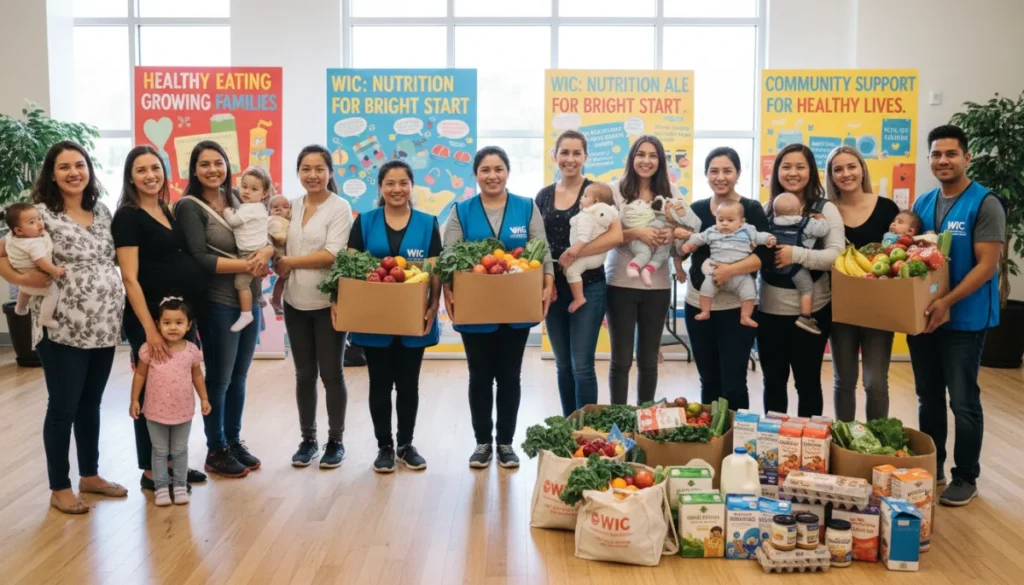
The WIC Program in 2026 is poised to significantly expand its reach and nutritional support, introducing new food package options and increasing accessibility for young families nationwide.
Understanding the evolving landscape of government assistance programs is crucial for families seeking support. The WIC Program Benefits in 2026: New Food Package Options and Increased Access for Young Families represent significant advancements designed to bolster the health and well-being of vulnerable populations. These updates promise to make a substantial difference in how nutritional aid is delivered, ensuring that more pregnant women, new mothers, infants, and young children receive the vital resources they need.
Understanding the WIC Program’s Core Mission
The Special Supplemental Nutrition Program for Women, Infants, and Children, commonly known as WIC, has long served as a cornerstone of public health in the United States. Its fundamental mission is to safeguard the health of low-income women, infants, and children up to age five who are at nutritional risk. This is achieved through providing nutritious foods, information on healthy eating, and referrals to healthcare and other social services. The program aims to prevent health problems and improve the health status of participants during critical times of growth and development.
WIC’s impact extends beyond simply providing food. It acts as a comprehensive support system, offering personalized guidance and connecting families with essential community resources. This holistic approach recognizes that nutrition is intertwined with overall health and access to care, fostering a foundation for healthier lives from the earliest stages.
Eligibility and participation requirements
To qualify for WIC, individuals must meet specific criteria related to income, categorical eligibility, and nutritional risk. These requirements ensure that the program targets those most in need, maximizing its impact on public health outcomes.
- Income Guidelines: Applicants must have an income at or below 185% of the U.S. poverty level.
- Categorical Eligibility: Participants must be pregnant, breastfeeding up to one year postpartum, non-breastfeeding postpartum up to six months, infants, or children under five years old.
- Nutritional Risk: A health professional must determine that the applicant is at nutritional risk, which can include medical-based or dietary-based conditions.
The program’s structure emphasizes a proactive approach to health, identifying potential nutritional deficiencies or health concerns early on. By addressing these risks, WIC helps prevent more severe health issues down the line, contributing to long-term wellness for both mothers and children. The eligibility process, while detailed, is designed to be accessible and supportive for families navigating their options.
In essence, the WIC Program is more than just a food assistance initiative; it is a vital public health intervention. Its focus on early intervention and comprehensive support underscores its critical role in building healthier communities and ensuring that every child has the best possible start in life. The continuous evolution of the program, including the upcoming 2026 changes, reflects an ongoing commitment to these core values.
New Food Package Options for 2026
The year 2026 brings exciting and crucial updates to the WIC food packages, reflecting the latest nutritional science and dietary guidelines. These changes are designed to offer participants a wider variety of healthy foods, promoting better dietary habits and addressing common nutritional deficiencies. The aim is to ensure that the food provided is not only sufficient in quantity but also optimized for quality and nutritional value, truly supporting the developmental needs of women, infants, and young children.
These enhancements are a direct response to feedback from participants and advancements in nutritional research, striving to make WIC food packages more culturally appropriate and appealing while maintaining their health focus. The goal is to empower families with more choices that align with their preferences and cultural backgrounds, encouraging greater utilization of the benefits.
Diversification of fruit and vegetable options
One of the most significant improvements in the 2026 WIC food packages is the substantial diversification of fruit and vegetable options. This update aims to encourage a broader intake of essential vitamins, minerals, and fiber, which are critical for growth and disease prevention. The changes will allow for greater flexibility in purchasing fresh, frozen, and canned produce.
- Expanded Choices: WIC participants will now have access to a wider array of fruits and vegetables, including more culturally diverse options.
- Increased Value: The cash value benefit (CVB) for fruits and vegetables will see a notable increase, allowing families to purchase more of these vital foods.
- Flexibility in Forms: Greater allowance for frozen and canned (low-sodium, no-sugar-added) options provides convenience and accessibility, especially in areas with limited fresh produce availability.
This expansion is expected to have a profound impact on the dietary quality of WIC participants, helping to instill healthy eating habits early in life. By making nutritious choices more accessible and appealing, WIC is actively contributing to reducing rates of diet-related chronic diseases among its beneficiaries.

Furthermore, the updated guidelines will emphasize whole grains and lean proteins, moving towards a more balanced and comprehensive nutritional offering. This includes adjustments to dairy and protein allowances to better meet current dietary recommendations. The continuous evolution of WIC food packages demonstrates a commitment to providing the best possible nutritional foundation for America’s future generations.
These new food package options for 2026 are not just about food; they are about fostering healthier lifestyles and empowering families to make informed dietary decisions. The program’s adaptability ensures that it remains relevant and effective in its mission to support the nutritional needs of vulnerable populations.
Increased Access for Young Families
Beyond the enhancements to food packages, 2026 also marks a significant push towards increasing access to the WIC Program for young families across the nation. Recognizing that barriers to participation often prevent eligible individuals from receiving benefits, new initiatives are being rolled out to streamline the application process, expand outreach, and make WIC services more convenient. The goal is to reach every eligible family, ensuring that no one misses out on the crucial support WIC provides due to logistical challenges or lack of awareness.
These efforts reflect a broader understanding that accessibility is key to maximizing the program’s impact. By reducing hurdles to enrollment and participation, WIC aims to build a more inclusive and effective support system for pregnant women, new mothers, infants, and young children.
Streamlined application processes
One of the primary areas of focus for increasing access is the overhaul of application processes. Historically, the paperwork and in-person requirements could be daunting for busy or geographically isolated families. The 2026 updates introduce a more streamlined, user-friendly approach.
- Online Applications: Many states will implement or expand online application portals, allowing families to apply from the comfort of their homes.
- Reduced Documentation: Efforts are underway to simplify documentation requirements, reducing the burden on applicants while maintaining program integrity.
- Telehealth Options: Increased use of telehealth for certifications and nutrition education will make WIC services more accessible, particularly for those in rural areas or with limited transportation.
These procedural improvements are critical in breaking down barriers that have historically deterred participation. By making the application process less cumbersome, WIC hopes to encourage more eligible families to enroll and receive the benefits they are entitled to. The shift towards digital and remote services is a modern approach to public health, recognizing the diverse needs of today’s families.
Furthermore, community outreach programs are being bolstered to better inform families about WIC’s benefits and how to apply. Partnerships with local healthcare providers, schools, and community centers will be strengthened to ensure that information reaches those who need it most. The aim is to create a network of support that guides families through the entire WIC journey, from application to consistent benefit utilization.
The increased access initiatives for 2026 are a testament to the program’s commitment to equity and inclusivity. By adapting to the evolving needs of modern families, WIC is solidifying its role as an indispensable resource for maternal and child health in the United States, ensuring that more young families can thrive with adequate nutritional support.
Impact on Maternal and Child Health
The comprehensive enhancements to the WIC Program in 2026 are expected to yield significant positive impacts on maternal and child health outcomes. By providing improved nutritional support and making the program more accessible, WIC continues to play a vital role in fostering healthier pregnancies, reducing infant mortality, and promoting optimal development in young children. These changes are not merely administrative; they are investments in the future health of the nation.
Research consistently demonstrates a strong correlation between adequate nutrition during pregnancy and early childhood and long-term health. The 2026 updates aim to strengthen this foundation, ensuring that WIC participants receive the highest quality nutritional resources and education.
Reducing nutritional deficiencies and improving pregnancy outcomes
One of WIC’s primary objectives is to combat nutritional deficiencies, which can have profound effects on both mothers and their developing babies. The expanded food packages, with their emphasis on diverse and nutrient-rich options, are specifically designed to address these concerns.
- Enhanced Fetal Development: Better maternal nutrition, supported by WIC, is linked to healthier birth weights and reduced risk of preterm birth.
- Anemia Prevention: The inclusion of iron-rich foods and nutrition education helps combat iron-deficiency anemia, common in pregnant women and young children.
- Postpartum Recovery: Continued support for breastfeeding and postpartum mothers aids in their recovery and helps establish healthy feeding practices for infants.
By focusing on these critical areas, WIC helps to mitigate many of the risks associated with inadequate nutrition during pregnancy. Healthier mothers are better equipped to carry their pregnancies to term, resulting in healthier infants who are more likely to thrive. This preventative approach is far more effective and cost-efficient than addressing health problems after they arise.
Moreover, the program’s emphasis on nutrition education empowers mothers with the knowledge and skills to make informed dietary choices for themselves and their families. This educational component is crucial for sustainable health improvements, extending the benefits of WIC far beyond the period of direct participation. The ripple effect of this knowledge can lead to healthier eating habits for entire families, promoting long-term well-being.
The 2026 WIC updates underscore the program’s enduring commitment to improving maternal and child health. By strategically enhancing food benefits and access, WIC reinforces its position as an indispensable tool in nurturing healthier beginnings and building a stronger, healthier society from the ground up.
Technological Advancements and WIC
The WIC Program is embracing technological advancements to enhance its efficiency, accessibility, and overall participant experience. In 2026, technology will play an even more pivotal role in how benefits are delivered, how participants interact with the program, and how data is managed to ensure optimal service. These innovations are designed to modernize WIC, making it more responsive to the needs of contemporary families and more effective in achieving its public health goals.
From digital benefit cards to online resources, the integration of technology aims to simplify processes for both participants and administrators. This strategic adoption of new tools is crucial for a program that serves millions of individuals across diverse geographic and socioeconomic landscapes.
Digital benefit delivery and online resources
The shift towards digital benefit delivery is a cornerstone of WIC’s modernization efforts. Electronic Benefits Transfer (EBT) cards have already replaced paper vouchers in many states, and 2026 will see further refinements and broader implementation of these systems.
- WIC EBT Cards: These cards offer a discreet and convenient way for participants to purchase WIC-approved foods, similar to debit cards.
- Mobile Applications: New WIC mobile apps will provide participants with instant access to benefit balances, shopping lists, authorized food lists, and clinic information.
- Online Nutrition Education: Digital platforms will offer flexible and engaging nutrition education modules, allowing participants to complete requirements at their own pace and convenience.
The widespread adoption of WIC EBT cards has already proven to reduce stigma, improve shopping experiences, and streamline administrative tasks. The enhanced digital resources, including mobile applications, will further empower participants by putting essential program information and tools directly into their hands. This moves WIC towards a more participant-centric model, where access to information is immediate and personalized.
Beyond direct participant benefits, technology is also improving data collection and analysis for program administrators. Better data allows WIC agencies to identify trends, evaluate program effectiveness, and make data-driven decisions to continually improve services. This includes tracking food purchases to understand dietary patterns and identifying areas where additional support or education might be needed.
The integration of technological advancements into the WIC Program for 2026 is a strategic move towards a more efficient, accessible, and impactful future. By leveraging digital tools, WIC is not only simplifying the lives of its participants but also strengthening its capacity to deliver vital nutritional and health services effectively across the nation.
Expansion of WIC Services and Support
The WIC Program’s evolution in 2026 extends beyond food packages and access, encompassing a significant expansion of its ancillary services and support systems. Recognizing that nutrition is just one piece of the puzzle for young families, WIC is enhancing its offerings to provide more comprehensive assistance. This holistic approach aims to address the broader determinants of health, ensuring that participants receive not only nutritious food but also critical guidance and connections to other essential services.
These expansions are rooted in the understanding that a supportive environment is crucial for families to thrive. By integrating more services, WIC seeks to empower participants with the resources they need to overcome various challenges and build a strong foundation for their children’s future.
Enhanced nutrition education and breastfeeding support
Nutrition education remains a cornerstone of the WIC Program, and in 2026, these efforts will be significantly enhanced. The goal is to provide more personalized, culturally sensitive, and effective education that truly resonates with participants.
- Individualized Counseling: WIC nutritionists will offer more tailored advice, addressing specific dietary needs, cultural preferences, and health concerns of each family.
- Breastfeeding Peer Counselors: The program will expand its network of peer counselors, offering invaluable encouragement, practical advice, and emotional support to breastfeeding mothers.
- Interactive Workshops: New interactive workshops and online modules will cover topics like healthy meal planning, budget-friendly cooking, and understanding food labels.
The emphasis on breastfeeding support is particularly critical, given its proven benefits for infant health and maternal well-being. By expanding peer counseling and providing accessible resources, WIC aims to increase breastfeeding initiation and duration rates, contributing to healthier outcomes for infants. This support goes beyond just information, fostering a community where mothers feel empowered and informed.
Furthermore, WIC clinics will strengthen their referral systems, connecting families with a wider range of community resources. This includes referrals to primary healthcare, dental care, immunizations, substance abuse counseling, and housing assistance. By acting as a gateway to these services, WIC ensures that families receive comprehensive support that extends beyond their immediate nutritional needs.
The expansion of WIC services and support in 2026 represents a strategic investment in the overall well-being of young families. By fostering a more integrated and supportive environment, WIC is not just providing food; it is building stronger, healthier communities and empowering families to navigate the complexities of modern life with greater confidence and resources.
The Future Outlook for WIC in 2026 and Beyond
As we look towards 2026 and the subsequent years, the WIC Program is poised for continued evolution and growth, solidifying its role as a critical component of the national public health infrastructure. The upcoming changes are not merely adjustments but represent a forward-thinking strategy to adapt to demographic shifts, evolving nutritional science, and technological advancements. The long-term vision for WIC is one of sustained impact, reaching more families and providing even more effective support.
The program’s enduring success lies in its ability to adapt and innovate, ensuring it remains relevant and impactful in addressing the nutritional and health needs of vulnerable populations. This proactive approach guarantees that WIC will continue to be a beacon of support for young families for decades to come.
Long-term goals and sustained impact
WIC’s long-term goals are deeply rooted in its mission to improve health outcomes for women, infants, and children. The 2026 enhancements lay the groundwork for even greater achievements in the future.
- Reducing Health Disparities: Continued efforts to reach underserved communities will help to narrow health disparities and promote equity.
- Promoting Lifelong Healthy Habits: By instilling good nutrition practices early, WIC aims to foster healthy eating habits that last a lifetime, reducing chronic disease risk.
- Strengthening Community Partnerships: Enhanced collaboration with healthcare providers, schools, and community organizations will create a more integrated support system for families.
The program’s focus on early intervention has a compounding effect, contributing to improved educational attainment, economic stability, and overall societal well-being. Children who receive adequate nutrition and health support in their early years are more likely to perform better in school, leading to greater opportunities in adulthood. This demonstrates WIC’s role as an investment in human capital.
Furthermore, ongoing research and evaluation will be crucial in shaping WIC’s future. By continuously assessing the program’s effectiveness and identifying areas for improvement, WIC can ensure its resources are utilized in the most impactful ways. This commitment to evidence-based practice is fundamental to its continued success and relevance.
The future outlook for WIC in 2026 and beyond is bright, marked by a commitment to innovation, accessibility, and comprehensive support. As it continues to evolve, WIC will remain an indispensable lifeline for millions of young families, playing a vital role in building a healthier, more equitable future for the United States.
| Key Aspect | Brief Description |
|---|---|
| New Food Packages | Expanded variety of fruits, vegetables, and whole grains, increasing nutritional value and choice. |
| Increased Access | Streamlined applications, online services, and telehealth options for easier enrollment. |
| Maternal & Child Health | Expected improvements in pregnancy outcomes, reduced deficiencies, and better infant development. |
| Technological Advancements | Digital EBT, mobile apps, and online education for convenience and program efficiency. |
Frequently asked questions about WIC 2026
The 2026 WIC food packages will feature a wider variety of fruits and vegetables, increased cash value benefits for produce, and greater flexibility for whole grains and culturally diverse food options to better meet participants’ nutritional needs.
Access will be enhanced through streamlined online application processes, reduced documentation requirements, and expanded use of telehealth for certifications and nutrition education, making the program more convenient for eligible families nationwide.
Eligible participants include pregnant, breastfeeding, and postpartum women, infants, and children up to age five who meet income guidelines (at or below 185% of the poverty level) and are determined to be at nutritional risk by a health professional.
Technology is crucial, with continued use of WIC EBT cards for benefit delivery, new mobile applications for participant information, and online platforms for flexible nutrition education, aiming for greater efficiency and accessibility.
WIC benefits contribute to healthier birth weights, reduced nutritional deficiencies, and improved developmental outcomes. Early nutritional support fosters lifelong healthy eating habits, reducing the risk of chronic diseases and improving overall well-being.
Conclusion
The forthcoming changes to the WIC Program in 2026 signal a significant leap forward in supporting the health and nutritional needs of young families across the United States. With enhanced food package options, increased accessibility through streamlined processes and technology, and a continued focus on comprehensive support services, WIC is reinforcing its vital role in public health. These strategic updates are poised to deliver substantial benefits, fostering healthier pregnancies, promoting optimal child development, and empowering families with the resources and knowledge needed for a brighter, more nourished future.
