LIHEAP 2026: Secure Up to $1,500 for Heating Costs This Winter

The Low-Income Home Energy Assistance Program (LIHEAP) 2026 offers crucial financial aid, potentially up to $1,500, to help eligible low-income households manage their heating expenses during the cold winter months, ensuring warmth and safety.
Are you concerned about keeping your home warm this winter? The Low-Income Home Energy Assistance Program (LIHEAP) 2026: Secure Up to $1,500 for Heating Costs This Winter offers a lifeline to countless families across the United States. This vital federal program provides financial aid to low-income households, ensuring they can afford essential heating and cooling, preventing utility shut-offs and promoting a safe living environment.
Understanding LIHEAP: Your Path to Winter Warmth
The Low-Income Home Energy Assistance Program, commonly known as LIHEAP, is a federally funded initiative designed to help low-income households cover their home energy costs. This program is crucial, especially during harsh winter months when heating bills can become an insurmountable burden for many families. LIHEAP isn’t just about paying bills; it’s about preventing energy crises, ensuring health and safety, and providing peace of mind.
Administered by states and tribal organizations, LIHEAP offers various forms of assistance. While the primary focus is often on heating costs, the program can also help with cooling expenses during hot summers, weatherization services to improve energy efficiency, and even energy-related home repairs. The scope and exact benefits can vary significantly depending on your state and local agency, making it essential to understand the specifics of your region.
The purpose of LIHEAP funds
LIHEAP funds serve several critical purposes, all aimed at alleviating the energy burden on vulnerable populations. These purposes extend beyond mere bill payment to comprehensive energy support.
- Heating Assistance: Helps pay for primary heating sources like electricity, natural gas, propane, oil, and wood.
- Cooling Assistance: Provides aid for air conditioning costs during extreme summer heat.
- Energy Crisis Assistance: Offers immediate help to prevent utility shut-offs or restore services.
- Weatherization and Energy-Related Home Repairs: Funds improvements to make homes more energy-efficient, reducing future energy costs.
Understanding these facets of LIHEAP is the first step toward securing the support you need. The program’s flexibility allows it to address diverse energy needs, providing a comprehensive safety net for eligible households. By leveraging LIHEAP, families can maintain essential home energy services without sacrificing other necessities.
Eligibility Requirements for LIHEAP 2026
Determining your eligibility for LIHEAP 2026 is a critical step in accessing these vital benefits. While the program is federally funded, specific eligibility criteria can vary by state and even by local administering agency. Generally, eligibility is based on income, household size, and the presence of vulnerable individuals within the household, such as the elderly, young children, or individuals with disabilities.
Income thresholds are typically set at 150% of the federal poverty level or 60% of the state median income, whichever is greater. However, some states may have slightly different benchmarks, so it’s always best to check with your local LIHEAP office for the most accurate and up-to-date information. It’s important to remember that these guidelines are designed to target assistance to those most in need, ensuring the program’s resources are effectively utilized.
Income and household size considerations
Your household’s gross monthly income is a primary factor. You will need to provide documentation to verify income for all household members. The number of people living in your home also plays a significant role, as larger households typically have higher income thresholds to qualify. For instance, a single individual will have a lower income limit than a family of four, reflecting the differing financial needs.
Beyond income, other factors might influence your eligibility. Some states prioritize households with high energy burdens, meaning those who spend a disproportionately large percentage of their income on home energy costs. This targeted approach ensures that the program reaches those facing the most severe financial strain due to energy expenses. It is crucial to gather all relevant financial documentation before applying to streamline the process.
Additionally, households receiving other federal benefits, such as SNAP (Supplemental Nutrition Assistance Program) or TANF (Temporary Assistance for Needy Families), are often automatically deemed eligible for LIHEAP. This streamlines the application process for those already recognized as low-income. Even if you don’t receive these benefits, you may still qualify based on your income and household composition.
How to Apply for LIHEAP 2026 Benefits
Applying for LIHEAP 2026 requires attention to detail and a clear understanding of the process. While specific procedures may vary by state, the general steps involve identifying your local administering agency, gathering necessary documentation, and submitting a complete application. Starting early is always advisable, as funds can be limited and demand is high, especially as winter approaches.
The first step is to locate your state’s LIHEAP office or the local community action agency responsible for distributing funds in your area. Many states have online portals or dedicated phone lines to assist applicants. These resources will provide specific forms, deadlines, and contact information tailored to your region. Do not assume that the process is identical across all states; always verify local requirements.
Essential documents for your application
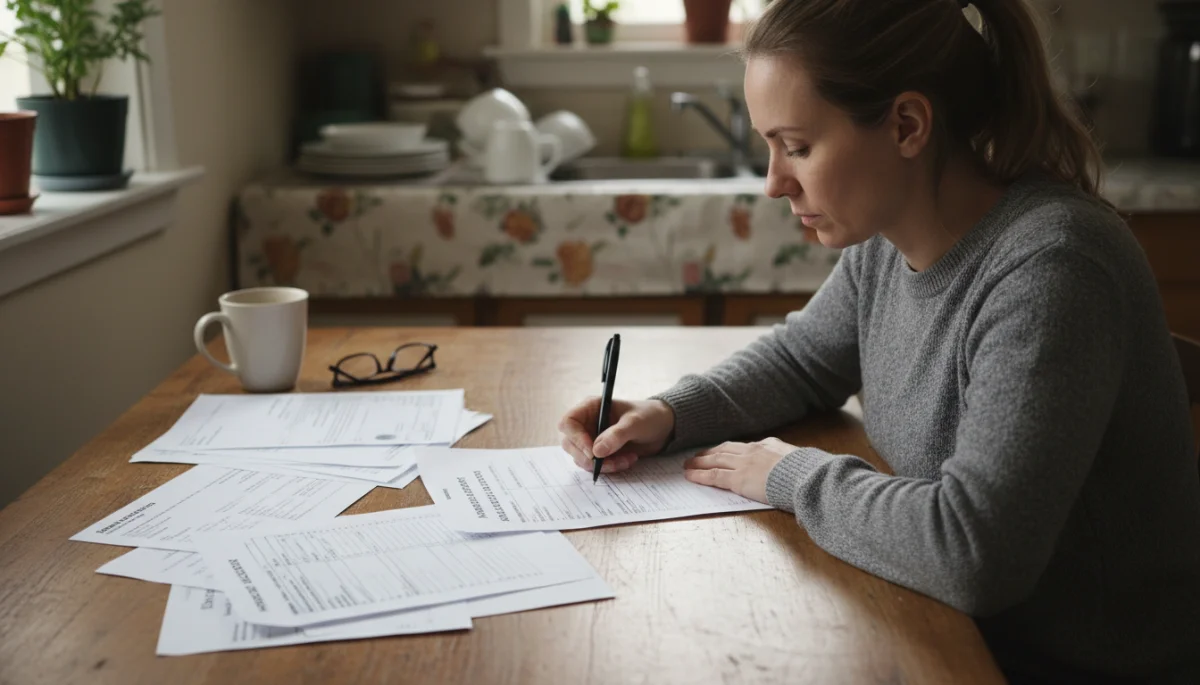
When preparing your application, having all required documents on hand will significantly expedite the process. Missing information can lead to delays or even rejection. Typically, you will need to provide proof of identity, residency, income, and household composition.
- Proof of Identity: A government-issued ID for all adult household members.
- Proof of Residency: A utility bill or lease agreement with your current address.
- Proof of Income: Pay stubs, tax returns, Social Security statements, or unemployment benefits letters for all household members.
- Utility Bills: Copies of your most recent heating and/or electric bills.
- Social Security Numbers: For all household members.
Once you have all your documents, you can proceed with submitting your application. This can often be done online, by mail, or in person at your local agency. Be prepared for potential interviews or follow-up questions to verify information. The key to a successful application is thoroughness and prompt response to any requests for additional details. Remember, the goal is to provide a complete and accurate picture of your household’s financial situation.
Maximizing Your LIHEAP Benefits: Tips and Strategies
Securing LIHEAP benefits is a significant step, but understanding how to maximize those benefits can provide even greater relief. The program is designed to offer substantial assistance, but proactive measures can help you make the most of the aid you receive. This includes understanding additional state-specific programs, combining benefits, and adopting energy-saving habits.
One key strategy is to inquire about additional state or local energy assistance programs that can complement LIHEAP. Many states offer their own energy relief initiatives, sometimes in partnership with utility companies or non-profit organizations. These programs can provide further financial aid, energy efficiency upgrades, or discounted rates, potentially stacking with your LIHEAP grant to offer even greater support.
Additional programs and resources
Beyond the direct financial aid, many LIHEAP offices can connect you with other valuable resources. These might include weatherization programs that provide free or low-cost home improvements to reduce energy consumption, such as insulation upgrades or sealing air leaks. Participating in these programs can significantly lower your long-term energy bills, amplifying the impact of your LIHEAP grant.
- Weatherization Assistance Program (WAP): Federal program offering energy efficiency improvements.
- Utility Company Programs: Many utility providers offer their own low-income assistance or payment plans.
- Local Non-Profits: Community organizations often provide emergency assistance or referrals.
Another effective strategy is to practice energy conservation. Even small changes in daily habits can lead to noticeable reductions in your energy bills. Simple actions like adjusting your thermostat, sealing drafts, unplugging unused electronics, and using energy-efficient lighting can make a difference. By reducing your overall energy consumption, your LIHEAP grant will go further, extending its impact throughout the heating season.
The Impact of LIHEAP on Low-Income Households
The Low-Income Home Energy Assistance Program has a profound and far-reaching impact on low-income households across the United States. Beyond merely covering utility bills, LIHEAP plays a crucial role in safeguarding public health, promoting economic stability, and ensuring that vulnerable populations can maintain a basic standard of living. Without this program, many families would face dire choices between paying for heat and affording other essentials like food or medicine.
For many, LIHEAP prevents the life-threatening consequences of extreme cold. Hypothermia and other cold-related illnesses are serious risks for individuals living in inadequately heated homes, especially the elderly, young children, and those with chronic health conditions. By providing heating assistance, LIHEAP directly contributes to better health outcomes and reduces strain on emergency services during winter months. It’s an investment in community well-being.
Preventing energy crises and promoting stability
LIHEAP’s crisis assistance component is particularly vital. It offers immediate financial help to households facing imminent utility shut-offs, preventing disruptions to essential services. This not only keeps families warm but also maintains their access to electricity for lighting, cooking, and communication. Preventing shut-offs also avoids costly reconnection fees and deposits, further easing the financial burden on struggling families.
Furthermore, LIHEAP contributes to economic stability within low-income communities. By freeing up funds that would otherwise be spent on exorbitant energy bills, households can allocate resources to other critical needs, such as healthy food, medical care, or educational supplies for children. This can lead to improved overall household budgets and a reduced cycle of poverty, fostering greater self-sufficiency in the long run.
The program also supports local economies by ensuring that utility companies receive payments, thereby maintaining jobs and infrastructure. This ripple effect extends beyond individual households, demonstrating LIHEAP’s broader societal value. It underscores the importance of continued federal funding and robust state administration to keep this essential safety net strong for future winters.
Future Outlook for LIHEAP 2026 and Beyond
As we look towards LIHEAP 2026 and beyond, the program faces evolving challenges and opportunities. Climate change, fluctuating energy prices, and shifting economic landscapes will continue to influence its design and implementation. Advocates and policymakers are constantly working to ensure LIHEAP remains responsive to the needs of low-income households, adapting to new realities while preserving its core mission.
One significant area of focus is increasing awareness and accessibility. Despite its critical importance, many eligible households remain unaware of LIHEAP or face barriers to application. Efforts are underway to simplify application processes, expand outreach, and leverage technology to reach more individuals. This includes developing user-friendly online portals and partnering with community organizations to provide hands-on assistance.
Potential program enhancements and advocacy
Discussions around LIHEAP’s future often include potential enhancements to its services. This could involve expanding weatherization components to make more homes energy-efficient, thereby reducing the long-term need for heating assistance. There’s also advocacy for increased funding to meet the growing demand, particularly in regions experiencing more extreme weather patterns.
- Increased Funding: Efforts to secure more federal allocation to meet rising energy costs and demand.
- Simplified Application: Initiatives to streamline the application process and reduce bureaucratic hurdles.
- Expanded Services: Potential for broader integration with energy efficiency and crisis prevention programs.
Furthermore, there is a growing emphasis on integrating LIHEAP with broader energy justice initiatives. This involves ensuring equitable access to clean, affordable energy for all communities, particularly those disproportionately affected by energy poverty. By addressing systemic issues alongside direct financial aid, LIHEAP can evolve into an even more comprehensive and impactful program, securing warmth and energy security for future generations.
| Key Point | Brief Description |
|---|---|
| Program Goal | Helps low-income households manage heating and cooling costs, preventing energy crises. |
| Eligibility | Based on income (150% FPL or 60% state median), household size, and vulnerability. |
| Application Process | Locate local agency, gather documents (ID, income, utility bills), and submit. |
| Maximizing Benefits | Combine with state programs, utilize weatherization, and practice energy conservation. |
Frequently Asked Questions About LIHEAP 2026
The maximum benefit from LIHEAP 2026 can vary by state and individual circumstances, potentially reaching up to $1,500 or more. The exact amount depends on factors like your household income, size, energy costs, and the specific policies of your state’s administering agency. It’s essential to check with your local LIHEAP office for precise figures.
Application periods for LIHEAP 2026 typically open in the fall, often around October or November, and may run through the spring. However, these dates can vary significantly by state and local agency. Some states offer year-round crisis assistance. It is highly recommended to contact your local LIHEAP office well in advance of the heating season for specific application dates and deadlines.
Yes, LIHEAP is designed to assist with both heating and cooling costs, depending on the needs of the household and the availability of funds in your state. While heating assistance is often the primary focus, many states offer cooling assistance during hot summer months to prevent heat-related health issues. Check with your local agency to confirm the types of assistance available.
To apply for LIHEAP, you will generally need to provide proof of identity for all household members, proof of residency (e.g., a utility bill), proof of income for all household members, and copies of your most recent energy bills. Specific requirements may vary by state, so always consult your local LIHEAP office for a comprehensive list.
If you are facing an energy crisis, such as an imminent utility shut-off or a lack of fuel, LIHEAP offers emergency crisis assistance. You should contact your local LIHEAP office immediately to explain your situation. They can often expedite the application process or provide immediate aid to prevent service disruption, ensuring your household remains safe and warm.
Conclusion
The Low-Income Home Energy Assistance Program (LIHEAP) 2026 stands as a vital resource for countless low-income households across the United States, offering much-needed financial relief for heating and cooling costs. By understanding the eligibility criteria, diligently navigating the application process, and actively seeking to maximize available benefits, families can secure essential support. LIHEAP not only ensures warmth and safety during harsh weather but also fosters greater economic stability and peace of mind, proving its indispensable role in community well-being.
