WIC Program 2026: Essential Support for Families in the US
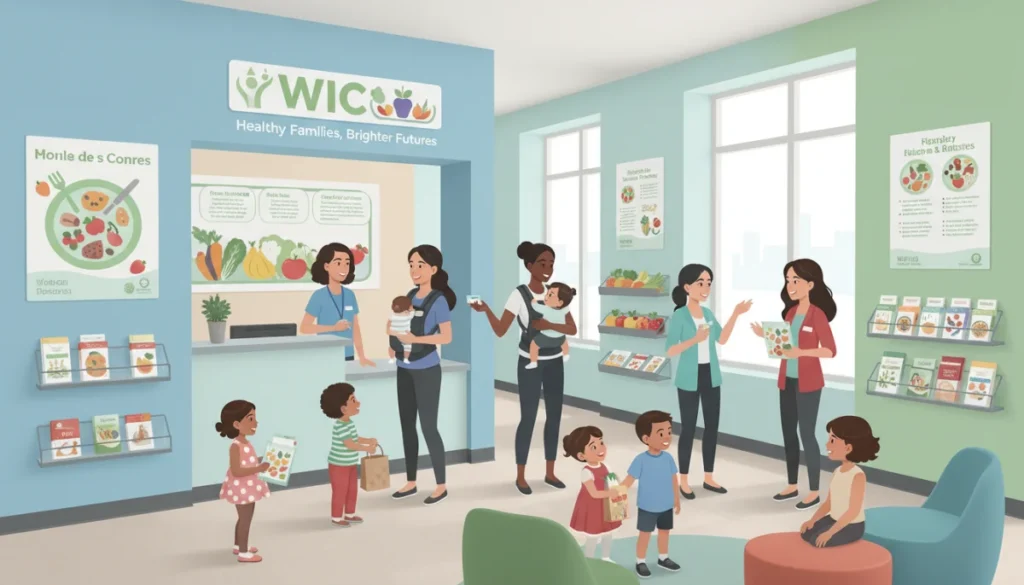
The WIC Program 2026 provides vital nutritional assistance, healthy food, and educational resources to pregnant, breastfeeding, and postpartum women, infants, and young children.
Navigating the complexities of family nutrition can be challenging, especially for expecting mothers and young children. The WIC Program 2026 stands as a beacon of hope, offering essential nutritional support to ensure a healthier start for vulnerable populations across the United States. This article will delve into the program’s vital role and how it continues to adapt to meet the evolving needs of American families.
Understanding the WIC Program’s Core Mission in 2026
The Special Supplemental Nutrition Program for Women, Infants, and Children, commonly known as WIC, has been a cornerstone of public health initiatives since its inception. In 2026, its core mission remains steadfast: to safeguard the health of low-income women, infants, and children up to age five who are at nutritional risk by providing nutritious foods to supplement diets, information on healthy eating including breastfeeding promotion and support, and referrals to health care.
The program’s reach extends far beyond simply distributing food. It’s a comprehensive approach to early childhood development and maternal health, recognizing that proper nutrition during critical growth periods can have lifelong impacts. As we move further into the 21st century, WIC’s adaptability ensures it remains relevant and effective in addressing contemporary nutritional challenges.
Eligibility Criteria and Application Process
Determining eligibility for WIC involves several factors, primarily income, nutritional risk, and categorical eligibility. In 2026, the income guidelines are updated annually to reflect federal poverty levels, making the program accessible to those most in need. Nutritional risk is assessed by a health professional, ensuring that benefits are directed to individuals who will benefit most from the intervention.
- Categorical Eligibility: Pregnant women, breastfeeding women (up to one year postpartum), non-breastfeeding postpartum women (up to six months postpartum), infants (up to one year of age), and children (up to age five).
- Income Guidelines: Applicants must have a household income at or below 185% of the federal poverty level. Participation in other benefit programs like SNAP or Medicaid often confers automatic income eligibility.
- Nutritional Risk: A health professional must determine that the applicant is at nutritional risk. This can include medically-based risks (e.g., anemia, underweight) or diet-based risks (e.g., inadequate dietary patterns).
The application process typically involves an interview at a local WIC clinic, where staff help families understand the requirements and gather necessary documentation. This personalized approach ensures that families receive tailored support and guidance throughout their participation in the program.
Nutritional Benefits and Food Packages: What’s New in 2026?
The WIC food packages are meticulously designed to provide specific nutrients vital for growth and development. In 2026, these packages continue to emphasize nutrient-dense foods, with a strong focus on fruits, vegetables, whole grains, and lean proteins, reflecting the latest dietary guidelines. There’s also an ongoing effort to make these packages culturally appropriate and accessible across diverse communities.
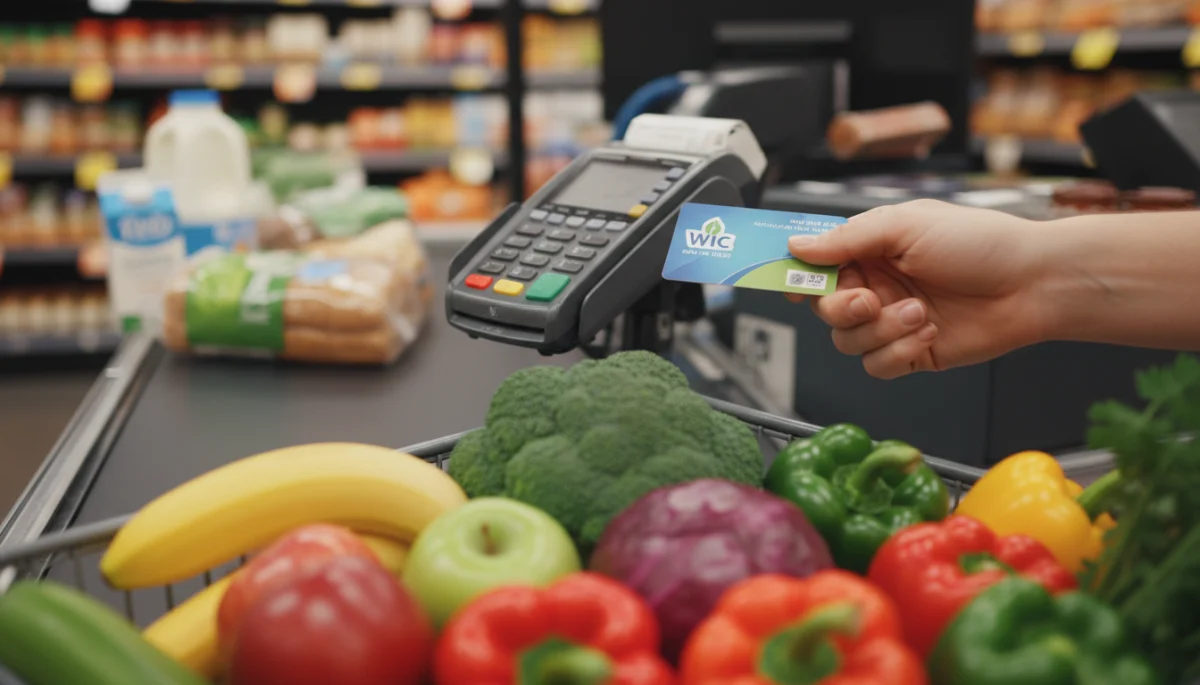
Technological advancements have also streamlined the delivery of benefits. Electronic Benefit Transfer (EBT) cards are now standard across all states, making shopping for WIC-approved foods convenient and discreet. This shift from paper vouchers has significantly improved the user experience for participants and reduced administrative burdens for retailers.
Expanded Healthy Food Options
The 2026 WIC food list includes an even broader array of healthy options, aiming to increase participant choice and accommodate various dietary needs and preferences. This expansion is a direct result of ongoing research and feedback from program participants and nutrition experts.
- More Fruits and Vegetables: Increased cash value vouchers for fruits and vegetables, allowing families greater flexibility in purchasing fresh, frozen, or canned options.
- Whole Grains Emphasis: A wider selection of whole-grain breads, cereals, and other products to encourage healthier carbohydrate intake.
- Culturally Relevant Foods: Efforts to include more foods that align with the cultural dietary practices of diverse WIC participants, ensuring greater program utilization and satisfaction.
These updates reflect WIC’s commitment to promoting lifelong healthy eating habits, not just during the program’s duration but for years to come. By providing access to a diverse range of nutritious foods, WIC helps lay the foundation for optimal health outcomes for mothers and children.
WIC’s Role in Promoting Breastfeeding and Early Childhood Health
Breastfeeding promotion and support are integral components of the WIC program. Recognizing the profound health benefits of breastfeeding for both mother and infant, WIC provides comprehensive resources, education, and peer counseling services. In 2026, these efforts are intensified through innovative approaches and expanded partnerships.
The program’s emphasis on early childhood health extends beyond nutrition. It connects families with essential healthcare services, immunizations, and developmental screenings, creating a holistic support system. This integrated approach is crucial for identifying and addressing health concerns early, ensuring that children receive timely interventions.
Enhanced Breastfeeding Support Services
WIC clinics in 2026 are equipped with highly trained staff, including International Board Certified Lactation Consultants (IBCLCs) and peer counselors, who offer personalized support to breastfeeding mothers. This includes prenatal education, hospital visits, and ongoing support after birth.
- Peer Counseling Programs: Experienced mothers who have successfully breastfed provide practical advice and emotional support to new mothers, fostering a sense of community and shared experience.
- Lactation Consultations: Free access to professional lactation consultants for individualized guidance on latch, milk supply, and overcoming common breastfeeding challenges.
- Breast Pump Provision: Provision of breast pumps to mothers returning to work or school, facilitating continued breastfeeding.
These services are vital in increasing breastfeeding initiation and duration rates, contributing to better health outcomes for infants and reduced healthcare costs. WIC’s dedication to supporting breastfeeding mothers underscores its commitment to the optimal health of the youngest members of our society.
Beyond Food: WIC’s Educational Resources and Referrals
While food provision is a cornerstone, WIC offers much more than just groceries. The program is a critical gateway to a wealth of educational resources and referrals to other essential services. In 2026, WIC continues to evolve its educational offerings, leveraging digital platforms and community partnerships to maximize impact.
Participants receive personalized nutrition education tailored to their specific needs, whether it’s managing gestational diabetes, introducing solid foods to an infant, or understanding portion control. This individualized approach empowers families with the knowledge and skills to make informed dietary choices.
Connecting Families to Comprehensive Support
WIC acts as a crucial bridge, connecting eligible families to a wide array of health and social services that can significantly improve their overall well-being. This network of referrals ensures that families receive comprehensive support beyond the scope of nutritional assistance.
- Healthcare Services: Referrals to pediatricians, obstetricians, and other specialists, ensuring continuous medical care for mothers and children.
- Immunization Programs: Information and referrals to local health departments for childhood immunizations, protecting against preventable diseases.
- Substance Abuse Counseling: Referrals to counseling services for mothers struggling with substance abuse, recognizing the critical link between maternal health and child development.
- Child Care and Development Programs: Connections to early intervention programs, Head Start, and other resources that support children’s cognitive and social development.
By facilitating access to these vital services, WIC strengthens the safety net for vulnerable families, addressing not only immediate nutritional needs but also broader health and developmental requirements. This holistic approach is fundamental to fostering healthy, thriving communities.
Impact and Success Stories: How WIC Transforms Lives
The impact of the WIC program is undeniable, with decades of research demonstrating its effectiveness in improving health outcomes for mothers and children. From reducing infant mortality rates to enhancing cognitive development, WIC’s contributions are far-reaching. In 2026, the program continues to compile and share success stories that highlight its transformative power in individual lives and communities.
Studies consistently show that WIC participation leads to healthier pregnancies, fewer premature births, and improved birth weights. Children enrolled in WIC are also more likely to receive regular medical care and immunizations, setting them on a path toward better long-term health and academic achievement.
Real-World Benefits and Testimonials
The statistics are compelling, but the true essence of WIC’s success lies in the personal stories of families whose lives have been positively impacted. These testimonials often speak to the relief of food insecurity, the empowerment gained through nutrition education, and the crucial support received during challenging times.
For many, WIC is not just a program; it’s a lifeline. It provides peace of mind, knowing that their children will have access to the nutritious foods necessary for healthy growth and development. The educational component empowers parents to make informed choices, fostering healthy habits that extend beyond the program’s duration.
One mother shared, “WIC helped me understand what to feed my baby and how to keep myself healthy during pregnancy. It was a huge relief to know I could get healthy food without worrying about the cost.” Such stories underscore the profound human impact of WIC, reinforcing its importance as a vital social safety net.
Future Outlook: Evolving WIC for a Changing America
As the United States continues to evolve, so too must its support systems. The WIC Program in 2026 is not static; it is constantly adapting to address new challenges and leverage emerging opportunities. Discussions are ongoing regarding potential expansions of eligibility, further enhancements to food packages, and the integration of new technologies to improve program delivery and participant engagement.
One key area of focus is addressing health disparities and ensuring equitable access to WIC benefits across all communities, particularly those in rural or underserved areas. The program is also exploring new ways to combat childhood obesity and promote healthy lifestyles in an increasingly complex food environment.
Innovations and Policy Considerations
Policymakers and WIC administrators are continually seeking innovative ways to strengthen the program and maximize its effectiveness. This includes exploring pilot programs for expanded food options, streamlining administrative processes, and enhancing outreach efforts to ensure that all eligible families are aware of and can access WIC benefits.
- Telehealth Integration: Expanding the use of telehealth for nutrition counseling and eligibility assessments, especially for families in remote areas or with transportation barriers.
- Data-Driven Insights: Utilizing data analytics to better understand participant needs, program effectiveness, and areas for improvement, leading to more targeted interventions.
- Community Partnerships: Strengthening collaborations with local food banks, healthcare providers, and community organizations to create a more integrated support system for families.
The future of WIC is bright, driven by a commitment to innovation and a steadfast dedication to the health and well-being of America’s mothers, infants, and young children. As the program continues to adapt, it will remain an indispensable resource for countless families, ensuring that every child has the best possible start in life.
| Key Aspect | Brief Description |
|---|---|
| Core Mission | Safeguards health of low-income women, infants, and children through nutrition. |
| Food Packages | Provides nutrient-dense foods, emphasizing fruits, vegetables, and whole grains. |
| Breastfeeding Support | Offers education, peer counseling, and lactation consultations to mothers. |
| Referrals | Connects families to healthcare, immunizations, and child development services. |
Frequently Asked Questions About WIC in 2026
Eligibility for WIC in 2026 includes pregnant, breastfeeding, and postpartum women, as well as infants and children up to age five, who meet specific income guidelines and are determined to be at nutritional risk by a health professional.
WIC provides nutritious foods like fruits, vegetables, whole grains, milk, eggs, cheese, cereal, and infant formula. The food packages are designed to supplement diets with essential nutrients for healthy development, with expanded healthy options in 2026.
WIC offers comprehensive breastfeeding support, including educational resources, peer counseling, access to lactation consultants, and breast pump provision. These services aim to increase breastfeeding initiation and duration rates for improved maternal and infant health.
Yes, WIC provides personalized nutrition education tailored to individual needs, covering topics from prenatal nutrition to introducing solid foods. It also offers referrals to other vital health and social services, fostering holistic family well-being.
In 2026, the widespread use of Electronic Benefit Transfer (EBT) cards has made shopping for WIC-approved foods more convenient. Additionally, telehealth integration for counseling and assessments is expanding, improving accessibility for many families.
Conclusion
The WIC Program in 2026 continues its indispensable role in providing essential nutritional support and comprehensive resources to expecting mothers and young children across the United States. By adapting to modern needs, embracing technology, and maintaining a steadfast commitment to health and education, WIC remains a cornerstone of public health, ensuring that vulnerable families have the foundation for a healthier, more prosperous future. Its far-reaching impact underscores the importance of continued investment in programs that prioritize the well-being of our nation’s youngest citizens and their caregivers.
