Disability Benefits Reform 2026: SSDI, SSI Eligibility

The Disability Benefits Reform 2026 seeks to update federal disability programs, potentially changing SSDI and SSI eligibility and application processes for many Americans.
The prospect of Disability Benefits Reform 2026 looms large for millions of Americans who rely on Social Security Disability Insurance (SSDI) and Supplemental Security Income (SSI). These proposed changes could significantly reshape how eligibility is determined and how beneficiaries interact with these vital programs, making it crucial to understand potential impacts.
Understanding the Current Landscape of Disability Benefits
Before diving into the specifics of the 2026 reforms, it is essential to grasp the foundations of the current disability benefits system in the United States. Social Security Disability Insurance (SSDI) and Supplemental Security Income (SSI) are the two primary federal programs providing financial assistance to individuals with disabilities. While both are administered by the Social Security Administration (SSA), they serve different populations and have distinct eligibility criteria. SSDI is designed for those who have worked and paid Social Security taxes, accumulating sufficient work credits. It acts as an insurance program, similar to retirement benefits, but for individuals who become unable to work due to a severe disability. Eligibility for SSDI is not based on income or resources, only on work history and the severity of the disability.
On the other hand, SSI is a needs-based program for low-income individuals who are aged, blind, or disabled, regardless of their work history. To qualify for SSI, an individual must meet strict income and resource limits, in addition to the medical criteria for disability. This means that even if a person has a severe disability, their financial situation can prevent them from receiving SSI. Both programs require a rigorous medical review process to determine if an individual’s condition meets the SSA’s definition of disability, which generally means being unable to engage in substantial gainful activity due to a physical or mental impairment that is expected to last for at least 12 months or result in death.
Key Differences Between SSDI and SSI
- Work History: SSDI requires a significant work history and payment of Social Security taxes; SSI does not.
- Financial Need: SSI is a needs-based program with income and resource limits; SSDI is not.
- Benefit Amount: SSDI benefits are based on lifetime average earnings; SSI benefits are a standard federal rate, supplemented by some states.
These fundamental differences often lead to confusion among applicants, making the application process complex. Many individuals may qualify for one program but not the other, or in some cases, both. The current system, while providing a crucial safety net, has also faced criticism for its complexity, long processing times, and perceived inefficiencies. Understanding these existing structures is the first step in appreciating the potential impact of any reform efforts, especially those as comprehensive as the proposed Disability Benefits Reform 2026. The goal of any reform is often to streamline processes, enhance fairness, and ensure the long-term solvency of these critical programs.
The Impetus Behind the 2026 Reforms: Why Change is on the Horizon
The proposed Disability Benefits Reform 2026 isn’t emerging in a vacuum; it stems from a complex interplay of factors that have put pressure on the Social Security Administration (SSA) and the federal government for years. One of the primary drivers is the long-term financial solvency of the disability trust funds. Demographic shifts, including an aging population and changing workforce dynamics, have led to concerns about the sustainability of current benefit levels without adjustments. Policymakers are continually seeking ways to ensure that these vital programs remain viable for future generations of beneficiaries.
Beyond financial considerations, there’s a growing recognition of the need to modernize the disability determination process. The current system, while robust, can be slow and cumbersome, leading to significant backlogs and lengthy waits for applicants. This often places undue burden on individuals who are already facing severe medical conditions and financial hardship. Advocates for reform point to the need for more efficient review processes, greater use of technology, and improved coordination with healthcare providers to expedite decisions and reduce administrative costs.
Criticisms of the Current System
- Lengthy Processing Times: Applicants often wait months or even years for a final decision.
- Administrative Complexity: The application and appeals processes are notoriously difficult to navigate.
- Work Disincentives: Concerns exist that current rules may discourage beneficiaries from attempting to work, even part-time.
Another significant area of focus for potential reforms involves work incentives and vocational rehabilitation. The current system has been criticized for creating “benefit cliffs” where modest earnings can lead to a sudden loss of benefits, discouraging attempts to return to work. The 2026 reforms aim to explore ways to provide greater flexibility and support for beneficiaries who wish to work, offering smoother transitions and clearer pathways back into employment without immediately jeopardizing their essential benefits. This proactive approach seeks to empower individuals with disabilities, fostering greater economic independence and reducing reliance on federal assistance over the long term. The reforms are an attempt to balance fiscal responsibility with the fundamental mission of supporting those who truly cannot work.
Key Proposed Changes Affecting SSDI Eligibility
The anticipated Disability Benefits Reform 2026 is expected to introduce several significant modifications that could directly impact SSDI eligibility. While specific legislative details are still being finalized, discussions have centered on refining the medical review process, adjusting work credit requirements, and potentially altering the definition of disability itself. One prominent proposal involves a more frequent and tiered review system for beneficiaries. Instead of the current periodic reviews, which can sometimes be inconsistent, the new system might categorize disabilities based on their likelihood of improvement, leading to more tailored review schedules. This could mean more frequent reviews for conditions deemed likely to improve, and less frequent ones for permanent, degenerative conditions.
Another area under consideration for SSDI is the potential adjustment of work credit requirements. Currently, eligibility is tied to a certain number of work credits earned over a specific period, varying by age. Reforms might explore whether these requirements accurately reflect modern work patterns, including the rise of gig economy jobs and periods of unemployment. Any changes here could either broaden or narrow the pool of eligible individuals. For instance, making it easier for younger workers with limited work histories to qualify could be a progressive step, but conversely, stricter requirements could make it harder for others to meet the threshold. These adjustments aim to ensure the program remains aligned with contemporary employment realities.
Potential Changes to SSDI Criteria
- Refined Medical Review Process: More frequent or tiered reviews based on disability type.
- Adjustments to Work Credit Requirements: Modifications to how work credits are earned and counted.
- Enhanced Vocational Rehabilitation: Stronger emphasis on programs assisting beneficiaries in returning to work.
Furthermore, the reforms may focus on strengthening vocational rehabilitation programs for SSDI beneficiaries. The goal is to provide more robust support and resources to individuals who have the potential to return to the workforce, even in a limited capacity. This could include expanded access to job training, educational opportunities, and assistance with job placement. The intent is not to push individuals off benefits prematurely but to offer genuine pathways to greater independence and self-sufficiency. Such changes would require significant investment in support services and careful implementation to ensure they are effective and beneficial for those they are designed to help. The overall impact on SSDI will hinge on the final details of these multifaceted proposals.
How SSI Eligibility Might Change Under the New Reforms
The proposed Disability Benefits Reform 2026 is also poised to bring significant alterations to Supplemental Security Income (SSI) eligibility, primarily focusing on its needs-based structure. A key area of discussion revolves around the income and resource limits, which have remained relatively stagnant for many years, failing to keep pace with the cost of living. There’s a strong push to update these thresholds, potentially allowing more low-income individuals with disabilities to qualify for essential assistance. Raising these limits could provide a much-needed lifeline to those currently just above the eligibility cut-off, who are still struggling to meet basic needs due to their disability.
Another critical aspect under review is the treatment of in-kind support and maintenance (ISM). Under current rules, if an SSI applicant or recipient receives free or reduced-cost food or shelter from someone else, the SSA counts this as income, which can reduce their monthly benefit. Reforms are exploring ways to simplify or eliminate this complex calculation, which often creates administrative burdens and can be a disincentive for families to provide support. Simplifying ISM rules could make the program more accessible and less punitive for beneficiaries who rely on family or community assistance, ensuring they receive their full entitled benefit without unnecessary reductions.
Potential Modifications to SSI Requirements
- Updated Income and Resource Limits: Adjustments to thresholds to reflect modern living costs.
- Simplified In-Kind Support Rules: Streamlining or eliminating complex calculations for shared living expenses.
- Enhanced Access for Children with Disabilities: Reviewing criteria to ensure equitable access for disabled children.
The reforms might also address the “marriage penalty” within SSI, where a beneficiary’s benefits can be significantly reduced or eliminated if they marry another beneficiary or someone with income. This rule has long been criticized for discouraging marriage and perpetuating financial dependence. Proposals aim to mitigate this penalty, allowing individuals to make personal life choices without fear of losing vital financial support. Additionally, there may be efforts to streamline the application process for SSI, reducing paperwork and improving communication with applicants, particularly those who face significant barriers to navigating bureaucratic systems. These changes underscore a broader effort to make SSI more equitable, accessible, and responsive to the real-world needs of its beneficiaries.
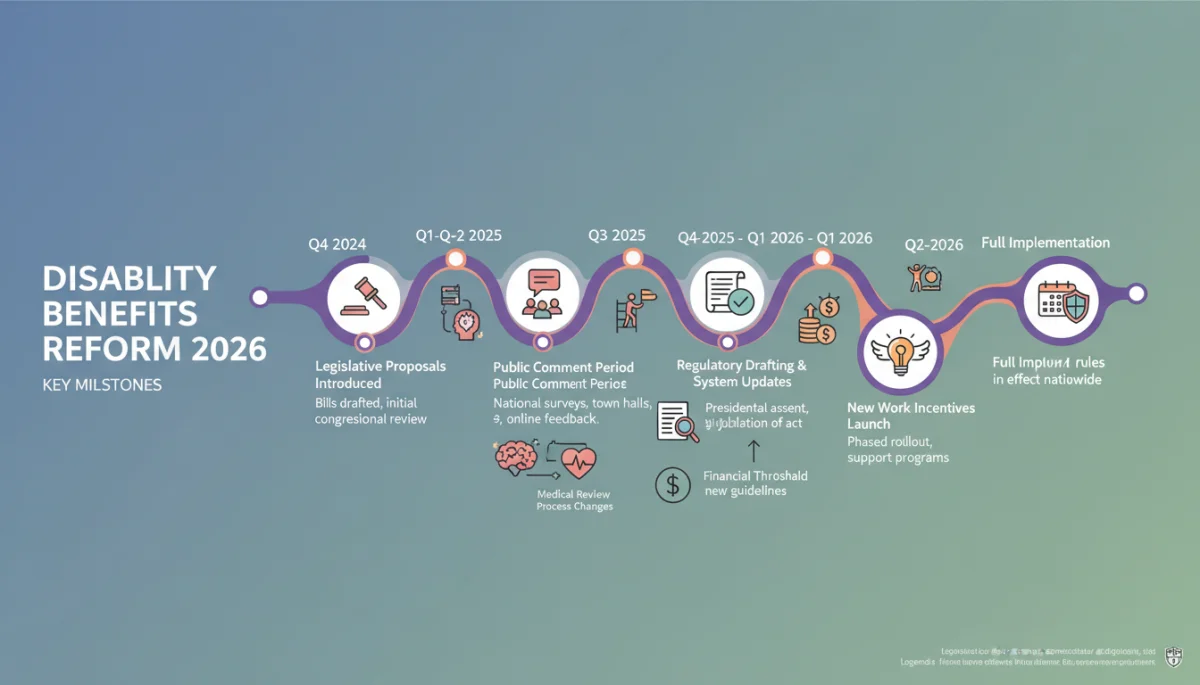
Navigating the Application Process Post-Reform
For individuals considering applying for disability benefits, the Disability Benefits Reform 2026 could mean navigating a modified application process. While the core medical criteria for disability are likely to remain stringent, procedural changes are anticipated to streamline the experience and potentially reduce wait times. One key area of focus is the increased integration of digital tools and online platforms. The SSA has been moving towards greater digitalization, and the reforms are expected to accelerate this trend, making it easier for applicants to submit documentation, track their application status, and communicate with the agency online. This could significantly reduce the reliance on paper forms and in-person visits, benefiting those with mobility issues or living in remote areas.
Another potential change involves enhanced pre-screening and advisory services. The SSA might introduce more robust resources to help potential applicants understand their likelihood of eligibility before formally applying, thereby reducing the number of applications that are clearly ineligible. This could involve interactive online questionnaires, clearer guidance materials, and expanded access to benefit counselors. Such measures would aim to save both applicants and the agency valuable time and resources, focusing efforts on those cases with a higher probability of approval. The goal is to make the initial stages of the application process less daunting and more informative for everyone involved.
Strategies for a Smoother Application
- Gather Comprehensive Medical Records: Ensure all relevant medical documentation is organized and up-to-date.
- Seek Professional Guidance: Consider consulting with a disability advocate or attorney.
- Utilize Online Resources: Familiarize yourself with the SSA’s digital tools and application portals.
Furthermore, the reforms may place a greater emphasis on early intervention and support services. For those whose disabilities are identified early, there might be new programs designed to provide vocational rehabilitation or other supportive services before a formal disability application becomes necessary. This proactive approach could help some individuals maintain employment or return to work more quickly, reducing their need for long-term benefits. For those who do proceed with an application, improvements in communication and transparency from the SSA are also expected, ensuring applicants are kept informed at every stage. Understanding these potential procedural shifts will be vital for anyone planning to apply for SSDI or SSI in the post-reform landscape.
Preparing for the Changes: Advice for Current and Future Beneficiaries
As the Disability Benefits Reform 2026 approaches, both current beneficiaries and prospective applicants should begin preparing for the impending changes. For existing SSDI and SSI recipients, staying informed about policy updates released by the Social Security Administration (SSA) will be paramount. This means regularly checking the SSA’s official website, subscribing to relevant newsletters, and attending informational webinars or community meetings if available. Understanding how changes to medical review schedules, work incentives, or income/resource limits might affect your specific situation is crucial for maintaining eligibility and managing your benefits effectively.
Current beneficiaries should also consider proactively organizing their medical records and financial documentation. If the reforms introduce more frequent or stringent reviews, having up-to-date and comprehensive records readily accessible will be invaluable. This includes doctor’s notes, treatment plans, medication lists, and any statements of income or resources. Being prepared can significantly ease the burden of a review process and help ensure a smooth continuation of benefits. For those currently working under specific work incentive programs, understanding how these programs might be modified or expanded will be key to making informed decisions about employment opportunities.
Key Preparatory Steps
- Stay Informed: Regularly monitor official SSA announcements and legislative updates.
- Organize Documentation: Keep medical and financial records meticulously updated.
- Consult Experts: Seek advice from disability advocates, attorneys, or financial planners if needed.
For future applicants, the preparation process starts even earlier. Familiarize yourself with the potential new eligibility criteria and application procedures as they become clearer. Begin gathering all relevant medical evidence, as this remains the cornerstone of any disability claim. If you have a severe medical condition that is likely to prevent you from working, starting to build a strong medical history now, documenting your symptoms, treatments, and limitations, will be highly beneficial. Additionally, consider seeking advice from disability advocates or attorneys who specialize in Social Security law. These professionals can provide invaluable guidance on navigating the evolving landscape, helping you understand your rights and optimize your application under the new reform framework. Proactive engagement is the best defense against unforeseen challenges.
Long-Term Implications of the 2026 Reforms on Disability Support
The Disability Benefits Reform 2026 is not merely about immediate changes to eligibility or application processes; it also carries significant long-term implications for the entire framework of disability support in the United States. One of the primary goals of these reforms is to enhance the financial stability of the Social Security system, ensuring that it can continue to provide essential benefits for decades to come. By adjusting funding mechanisms, streamlining administration, and potentially encouraging greater workforce participation, the reforms aim to create a more resilient and sustainable program that can withstand future economic and demographic pressures. This long-term solvency is critical for the peace of mind of millions of Americans.
Beyond financial aspects, the reforms could fundamentally alter societal perceptions and support structures for individuals with disabilities. A stronger emphasis on work incentives and vocational rehabilitation could foster a culture where returning to work, even part-time, is more actively encouraged and supported, rather than creating disincentives. This shift could lead to greater economic independence for some beneficiaries, reducing reliance on federal programs and promoting more inclusive employment opportunities. However, it will be crucial to ensure that these initiatives are genuinely supportive and do not inadvertently push individuals who are genuinely unable to work into precarious situations.
Potential Long-Term Impacts
- Enhanced Program Sustainability: Measures to ensure the long-term solvency of disability trust funds.
- Improved Work Integration: Greater opportunities and support for beneficiaries to enter or re-enter the workforce.
- Modernized Disability Determination: A more efficient and fairer process due to technological advancements.
The reforms also present an opportunity to modernize the disability determination process itself, leveraging advancements in medical science and technology. This could lead to more accurate and timely assessments, reducing the emotional and financial strain on applicants. Furthermore, increased data collection and analysis could inform future policy decisions, allowing the SSA to adapt more flexibly to changing needs and economic conditions. Ultimately, the success of the 2026 reforms will be measured not just by their immediate impact, but by their ability to create a more equitable, efficient, and sustainable system of disability support that truly serves the needs of all Americans with disabilities in the decades that follow. It’s a complex undertaking with far-reaching consequences.
| Key Aspect of Reform | Brief Description of Impact |
|---|---|
| SSDI Eligibility Changes | Potential adjustments to work credit requirements and medical review processes. |
| SSI Financial Thresholds | Likely updates to income and resource limits, potentially expanding eligibility. |
| Application Process Modernization | Increased digital integration and enhanced pre-screening services for applicants. |
| Work Incentive Programs | Focus on strengthening vocational rehabilitation and reducing benefit cliffs. |
Frequently Asked Questions About Disability Benefits Reform 2026
The main goal is to modernize and ensure the long-term solvency of federal disability programs, including SSDI and SSI. This involves streamlining processes, updating eligibility criteria, and enhancing support for beneficiaries.
SSDI eligibility could see changes to work credit requirements and the medical review process. There may be more frequent, tiered reviews based on the nature of the disability, and enhanced vocational support.
Yes, there is a strong possibility that SSI income and resource limits will be updated to better reflect current living costs. This could potentially expand eligibility for many low-income individuals with disabilities.
The application process is anticipated to become more digital, with increased online tools and enhanced pre-screening services. These changes aim to make the process more efficient and user-friendly for applicants.
Current beneficiaries should stay informed via official SSA channels, organize their medical and financial records, and consider consulting with disability advocates or attorneys to understand specific impacts on their benefits.
Conclusion
The Disability Benefits Reform 2026 represents a pivotal moment for federal disability programs in the United States. While the precise details of the legislative changes are still unfolding, the overarching goals are clear: to ensure the long-term sustainability of SSDI and SSI, modernize their administrative processes, and provide more effective support for individuals with disabilities. Both current beneficiaries and future applicants must remain vigilant and proactive in understanding these reforms, as they will undoubtedly reshape the landscape of disability assistance for years to come. Staying informed and preparing for these changes will be essential for navigating the evolving system successfully.
