Family Travel on a Budget in 2026: Save 30% on US Vacations

Implementing strategic planning and leveraging early booking can significantly reduce costs for US families aiming for budget-friendly vacations in 2026.
Planning a memorable family vacation without breaking the bank might seem like a daunting task, especially with rising costs. However, with smart strategies and a bit of foresight, US families can achieve significant savings. This guide offers insider tips to help you navigate the landscape of family travel on a budget in 2026, potentially cutting your vacation expenses by up to 30%.
Strategic Planning: The Foundation of Affordable Family Trips
Effective planning is the cornerstone of any budget-friendly family vacation. It’s not just about finding deals; it’s about making informed choices that align with your financial goals and family’s preferences. Starting early gives you the upper hand in securing better prices and more options.
Booking in Advance: Unlocking Early Bird Savings
One of the most impactful ways to save on family travel is to book as far in advance as possible. Airlines and accommodations often release their lowest fares and rates months ahead of time, rewarding early planners with substantial discounts. This is especially true for popular destinations and peak travel seasons.
- Airfare: Aim to book flights 3-6 months out for domestic travel.
- Accommodations: Secure hotels or vacation rentals 6-12 months in advance.
- Activities: Pre-book popular attractions online, often at a reduced price.
Beyond just booking, consider the flexibility of your travel dates. Traveling during shoulder seasons (just before or after peak times) can yield significant savings on flights and lodging while still offering pleasant weather and fewer crowds. Even shifting your travel by a few days can make a considerable difference in overall cost.
In conclusion, strategic planning, particularly early booking and flexible dates, provides a robust framework for managing family travel expenses. These initial steps set the stage for a more affordable and enjoyable vacation experience, allowing families to stretch their budget further and explore more without financial strain.
Smart Accommodation Choices: Beyond Traditional Hotels
When it comes to cutting costs on family vacations, where you stay plays a pivotal role. Traditional hotels can be expensive, especially for families needing multiple rooms or extra space. Exploring alternative accommodation options can lead to substantial savings and often a more authentic experience.
Vacation rentals, such as those found on platforms like Airbnb or VRBO, offer an excellent solution. They typically provide more space, a kitchen for preparing meals, and often come at a lower per-night cost than comparable hotel rooms. Having a kitchen alone can save hundreds of dollars by reducing the need to eat out for every meal.
Exploring Unique Stays: Campgrounds and House Swaps
For adventurous families, camping can be an incredibly budget-friendly way to experience new destinations. National and state parks across the US offer stunning natural beauty and affordable campsites. Many even have cabins or glamping options for those who prefer a bit more comfort. This immersive experience can create lasting family memories without the high price tag of resort stays.
- Camping: National Parks often have sites for under $30/night.
- House Swapping: Platforms like HomeExchange allow you to swap homes for free accommodation.
- Hostels with Private Rooms: Some hostels offer private family rooms at a fraction of hotel costs.
Another innovative, albeit less common, approach is house swapping. If you’re comfortable opening your home to another family, this can eliminate accommodation costs entirely. Websites dedicated to house swapping facilitate safe and secure exchanges, allowing you to enjoy a ‘free’ stay in a new city or region. This method requires trust and careful planning, but the rewards can be immense.
Ultimately, diversifying your accommodation choices beyond standard hotels can unlock significant savings and offer unique travel experiences. Whether it’s the communal feel of a vacation rental, the adventure of camping, or the novelty of a house swap, these options provide excellent value for families traveling on a budget.
Transportation Hacks: Navigating on a Dime
Transportation costs can quickly add up, especially for families. From flights to rental cars and local transit, these expenses often consume a large portion of the travel budget. Implementing smart transportation strategies is crucial for keeping your family vacation affordable.
When flying, be flexible with your travel days and consider flying into smaller, regional airports. These often have lower landing fees, which can translate to cheaper airfares. Additionally, utilize flight comparison websites and set up price alerts to be notified when fares drop. Don’t forget to factor in baggage fees; packing light or sharing luggage can save money.
Road Trips and Public Transport: Cost-Effective Alternatives
For domestic travel within the US, road trips offer unparalleled flexibility and can be highly cost-effective, especially for families. Driving allows you to carry more luggage, bring your own snacks and drinks, and avoid the per-person costs associated with air travel. Planning your route to include free attractions like national parks or scenic drives can further enhance savings.
- Carpooling: Share rides if traveling with other families.
- Public Transit: Utilize buses, subways, or trains in urban areas to avoid parking fees.
- Walking/Biking: Explore destinations on foot or by bike for free and healthy activity.
Once at your destination, consider relying on public transportation instead of renting a car or using ride-sharing services frequently. Many major US cities have excellent public transit systems that are much more affordable than daily car rentals and parking fees. Walking or biking is also a fantastic way to explore, save money, and get some exercise. This approach not only saves money but also offers a more authentic local experience.
In summary, optimizing your transportation choices, whether it’s through strategic flight bookings, embracing road trips, or utilizing public transport, is vital for maintaining a budget-friendly family vacation. Each decision, from departure to arrival and local exploration, contributes to overall savings.
Food and Activities: Enjoying Without Overspending
Food and entertainment are often two of the biggest budgetbusters on a family vacation. While it’s tempting to indulge in every restaurant and attraction, careful planning can ensure you enjoy delicious meals and exciting activities without overspending. The key is balance and smart decision-making.
Preparing some of your own meals is arguably the most effective way to save on food costs. If you’ve chosen accommodations with a kitchen, make the most of it. Plan simple breakfasts, pack lunches for outings, and cook dinners a few nights a week. Grocery shopping at local supermarkets upon arrival is far cheaper than eating out for every meal.
Free and Low-Cost Entertainment Options
When it comes to activities, research free or low-cost options in your chosen destination. Many cities offer free walking tours, parks, public beaches, and museums with free admission days. National parks often have affordable entry fees and offer endless opportunities for hiking, picnicking, and wildlife viewing.
- Picnics: Pack your own meals for park visits or beach days.
- Museum Free Days: Check local museum schedules for free admission.
- Local Festivals: Attend community events for free entertainment.
Look for city passes or attraction bundles if you plan to visit multiple paid attractions. These passes can offer significant discounts compared to purchasing individual tickets. Also, consider the value of experiences over expensive souvenirs. A memorable hike or a day at a free local festival can be far more enriching than a costly trinket.
Ultimately, managing food and activity expenses on a family trip is about making smart choices. By balancing dining out with home-cooked meals and prioritizing free or discounted entertainment, families can enjoy rich experiences without compromising their budget, creating a well-rounded and affordable vacation.
Leveraging Technology and Loyalty Programs for Savings
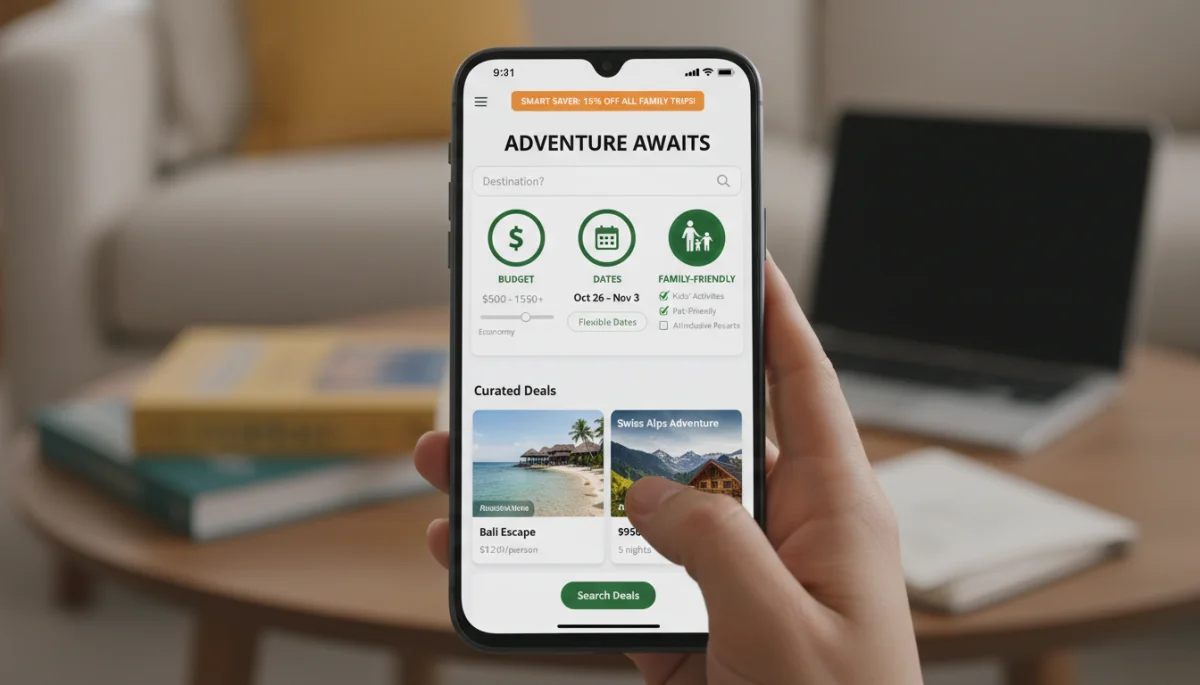
In 2026, technology continues to be a powerful ally for budget-conscious travelers. From price tracking apps to loyalty programs, there are numerous digital tools available to help families find the best deals and maximize their savings. Integrating these tools into your planning process can significantly reduce costs.
Flight and hotel price comparison websites are essential. Tools like Google Flights, Skyscanner, and Kayak allow you to compare prices across multiple airlines and booking sites. Setting up price alerts for your desired dates and destinations can notify you when prices drop, ensuring you don’t miss out on a good deal.
Maximizing Rewards and Discounts
Loyalty programs, credit card rewards, and travel memberships can offer substantial savings. If you travel frequently, accumulating points with a specific airline or hotel chain can lead to free flights or nights. Many travel credit cards also offer sign-up bonuses and ongoing rewards that can be redeemed for travel expenses.
- Travel Credit Cards: Earn points for flights and hotels.
- Loyalty Programs: Join airline and hotel rewards programs.
- Discount Codes: Search for coupon codes before booking anything online.
Don’t overlook less obvious tech-driven savings. Apps that offer discounts on local restaurants or attractions, or even those that help you find the cheapest gas prices, can contribute to overall savings. Subscribing to newsletters from your favorite travel providers can also grant you access to exclusive deals and early-bird offers.
In essence, leveraging technology and engaging with loyalty programs are smart strategies for modern family travel. These digital tools and reward systems empower families to make more informed decisions, secure better deals, and ultimately enjoy more affordable and rewarding vacations.
Financial Discipline and Budget Tracking
Even with the best planning and deal-finding, maintaining financial discipline throughout your trip is critical. A well-structured budget and diligent tracking of expenses can prevent overspending and ensure your vacation remains within its financial boundaries. This proactive approach helps avoid post-vacation financial stress.
Before you even leave, establish a realistic daily budget for each category: food, activities, transportation, and miscellaneous expenses. Be honest about what you can afford and stick to it. Involve your family in the budgeting process; children, especially older ones, can learn valuable lessons about financial responsibility.
Tools for Expense Management On the Go
During your trip, use budgeting apps or a simple spreadsheet to track every expense. This real-time monitoring allows you to adjust your spending if you find yourself going over budget in one area. For example, if you splurge on a fancy dinner one night, you might opt for a picnic lunch the next day to balance it out.
- Budgeting Apps: Use apps like Mint or You Need A Budget (YNAB) for tracking.
- Cash Envelopes: Allocate cash for daily expenses to prevent overspending.
- Review Bank Statements: Regularly check your bank and credit card statements.
Consider setting aside a small ‘contingency fund’ for unexpected expenses. This buffer can cover minor emergencies or spontaneous opportunities without derailing your main budget. Having this fund provides peace of mind and prevents you from dipping into savings or accruing debt.
Ultimately, financial discipline and effective budget tracking are indispensable for a truly budget-friendly family vacation. By setting clear financial boundaries, monitoring your spending, and preparing for the unexpected, you can ensure your trip is both enjoyable and financially responsible, leaving you with happy memories instead of financial regrets.
| Key Strategy | Benefit for Families |
|---|---|
| Early Booking | Secures best rates on flights and accommodations, offering wider choices. |
| Alternative Stays | Vacation rentals or camping provide more space and kitchen facilities, reducing food costs. |
| Smart Food Choices | Cooking meals and packing snacks significantly cuts down dining expenses. |
| Tech & Loyalty | Utilizing apps and reward programs for deals and free travel opportunities. |
Frequently Asked Questions About Budget Family Travel
For significant savings, aim to book flights 3-6 months in advance for domestic travel and accommodations 6-12 months out. Booking during shoulder seasons (spring or fall) can also yield better rates and fewer crowds, enhancing the overall value of your family trip.
Vacation rentals typically offer more space and include a kitchen, allowing families to cook meals instead of eating out. This can drastically reduce food expenses, which are often a major part of a travel budget, making them a cost-effective choice for families.
Many US destinations offer free attractions like national and state parks for hiking, public beaches, free walking tours, and museums with specific free admission days. Local festivals and community events can also provide free entertainment and cultural experiences for families.
Yes, strategically using travel credit cards can be highly beneficial. Many offer significant sign-up bonuses, ongoing rewards points for travel expenses, and perks like free checked bags or airport lounge access, which can lead to substantial savings on flights and accommodations for families.
Using budgeting apps like Mint or YNAB, or even a simple spreadsheet, allows real-time expense tracking. This helps families stay aware of their spending and make immediate adjustments if they are nearing their budget limits, preventing overspending and ensuring financial control.
Conclusion
Embarking on a family vacation in 2026 doesn’t have to strain your finances. By embracing strategic planning, exploring diverse accommodation and transportation options, making smart choices about food and activities, leveraging technology, and maintaining strict financial discipline, US families can unlock significant savings. The key lies in proactive research, flexibility, and a willingness to explore alternatives to traditional travel. With these insider tips, you’re well-equipped to create unforgettable family memories without compromising your budget, potentially saving up to 30% on your next adventure.
